# What Kind of World Do We Live In?
**URL:** https://discuss.criticalfallibilism.com/t/what-kind-of-world-do-we-live-in/1714
**Category:** Unbounded
**Created:** [February 11, 2023, 5:03am UTC](https://discuss.criticalfallibilism.com/t/what-kind-of-world-do-we-live-in/1714 "2023-02-11T05:03:19Z")
**Posts on this page:** 20
**Page:** 9
### Author:  [@Eternity](https://discuss.criticalfallibilism.com/u/Eternity)
#### Post date: [November 2, 2025, 2:39am UTC](https://discuss.criticalfallibilism.com/t/what-kind-of-world-do-we-live-in/1714/166 "2025-11-02T02:39:33Z")
> [@ActiveMind](#):
>
> He said McDonalds threatened to drag the case out for a decade.
Kinda. They threatened to drag out the appeal process for a decade, but more-or-less the same thing here. Ye.
> [@ActiveMind](#):
>
> but no way it should be possible to drag it out for a decade.
Depends.
Are you saying no case should go longer than a decade? In a perfect world, sure, but certain cases I think have a large amount of complexity that could justify long time periods.
I do agree that it shouldn’t be able to be dragged on appeal. I don’t know where he got that number from btw. I tried googling details about why she settled and I couldn’t find anything saying 10 years. I looked up the article he cited in the video (here’s a [link](https://www.citizen.org/article/legal-myths-the-mcdonalds-hot-coffee-case/)). It doesn’t mention anything about dragging it out for 10 years and it shares this:
> The nature of the private settlement and lack of public court documents resulted in the use of primarily newspaper sources.
The primary newspaper sources are shared at the bottom. I tried googling them and couldn’t easily find them. I wonder if he did? If so, I think he should’ve showed that in his video.
anyways afaik cases can go long for a long time, but after the appeals process begins they can only go so long. if there’s some truth to the 10 years things it would be based on the speed of the appeal courts at the time. It would probably take X amount of time to review a decision, if McDonalds didn’t like that decision it would appeal again. Generally you can appeal your decision to a state appeals court, a _state_ supreme court, and then the U.S. supreme court (but they have the option to choose it). So maybe McDonalds knew that going through every appeal would take 10 years?
One method I’m aware of from the book _Exposure_ to drag a case _as its being decided_ is to appeal every little detail. The judge says do X, a party appeals that decision. The party knows they will get knocked down on appeal, but who cares? You got more time.
> [@ActiveMind](#):
>
> We wouldn’t need a specific law would we? Let’s say they served 70 degrees hotter than normal without warning. Wouldn’t that be really dangerous and make McDonalds responsible for inevitable damages?
No. Damages have to happen for liabilities. Now if we’re getting into the realm of regulation/crime: yeah, maybe? You could write a law regulating the temperature of coffee and say that if its this many degrees too hot its a crime. But what we’re talking about here is a tort case. A civil case based on someone damaging a party and trying to be made whole again. What’s there to make whole if there was no damages?
> [@ActiveMind](#):
>
> Aren’t there laws that would cover such a case?
Could be regulations on the books. Idk.
> [@ActiveMind](#):
>
> Her damages are way more than I thought you would risk with spilling coffee though.
So two parts to her damages, from [wikipedia](https://en.wikipedia.org/wiki/Liebeck_v._McDonald's_Restaurants#cite_note-5):
> They awarded Liebeck a net $160,000[[4]](https://en.wikipedia.org/wiki/Liebeck_v._McDonald%27s_Restaurants#cite_note-4) in [compensatory damages](https://en.wikipedia.org/wiki/Compensatory_damages "Compensatory damages") to cover medical expenses, and $2.7 million (equivalent to $5,700,000 in 2024) in [punitive damages](https://en.wikipedia.org/wiki/Punitive_damages "Punitive damages"), the equivalent of two days of McDonald’s coffee sales. The trial judge [reduced](https://en.wikipedia.org/wiki/Remittitur "Remittitur") the punitive damages to three times the amount of the compensatory damages, totalling $640,000. The parties settled for a confidential amount before an appeal was decided.
Do you think 160,000 is reasonable? I think with the cost of medical expenses that makes sense.
If the issue is the 2.7 million originally awarded, that was because of _punitive_ damages. They are damages meant to punish. The idea is certain civil wrongs are so bad we want to punish them for it to not happen. I think 2.7 million is fine for a big company like McDonalds. I’m unsure whether this is something worthy of punishment though.
* * *
> [@ActiveMind](#):
>
> I’ve heard before about rich parties using money to drag out trials or otherwise getting unfair outcomes. I haven’t looked into it much, I could have been told lies. I could be biased that because I don’t look for cases where the poor party wins (and is compensated fairly). Do you think money doesn’t matter that much? That would be great if true.
Ok. So your original wording is a bit different from what you’re saying here I think.
> [@ActiveMind](#):
>
> I don’t really understand how money influences courts so much, unless there is bribery involved. Otherwise, why can’t what seems like simple cases, like serving coffee 20 degrees too hot, be settled faster than a decade?
This made it sound like there’s legal processes you can put money into to drag it out (like a $5000 fee to appeal only available to rich appeal, “do it as many times as you want”). I don’t know if that’s what you meant,. but that’s what I read it as.
That doesn’t happen, but:
> [@ActiveMind](#):
>
> I’ve heard before about rich parties using money to drag out trials or otherwise getting unfair outcomes.
Yeah no that happens.
I mean there’s that appeals technique I mentioned in exposure. The rich parties can afford to waste time on stuff like that. The goal is to make it unaffordable for the poorer party. Tangle them up in technicalities we’ll lose anyway. Be uncooperative on stuff. “Oh that date is when you work, too bad” (judges do have a say, to an extent, to address these.
I’m unsure on the unfair outcomes part. Unless we’re stretching and talking about stuff like PR or paying off juries and judges. What have you heard/do you mean here?
> [@ActiveMind](#):
>
> I could have been told lies. I could be biased that because I don’t look for cases where the poor party wins (and is compensated fairly).
Nah. I was trying to clear up some misconceptions you may have about things work, but I don’t think courts are fair or nice to poorer people. I think they suck.
> [@ActiveMind](#):
>
> Do you think money doesn’t matter that much? That would be great if true.
Hmm. I’m unsure. In _Exposure_ DuPont is one of the richest companies on the planet. Robert Bilott’s firm (that he works for) had some success holding them accountable with the money difference, but I don’t want to make it sound like Bilott was poor. He wasn’t.
Just guessing: I don’t think money matters that much when it comes to quality (though it can definitely help). Money matters because lawyers aren’t cheap, the system is not built for non-lawyers, and you need a lawyer to succeed typically.
I think that’s the big issue: a big client can pay for good (or even mediocre) lawyers to put in time to do a good job. A poor client can’t. A big client can handle stuff that poorer people cannot.\*
\*This also could be Liebeck settled. She probably needed the money _now_. She needed to pay medical bills and other costs of living _now_.
---
### Author:  [@Elliot](https://discuss.criticalfallibilism.com/u/Elliot)
#### Post date: [November 7, 2025, 12:22am UTC](https://discuss.criticalfallibilism.com/t/what-kind-of-world-do-we-live-in/1714/167 "2025-11-07T00:22:38Z")
[ ](https://www.tiktok.com/@kaelynn_vp/video/7569737805987958047)
---
### Author:  [@Dface](https://discuss.criticalfallibilism.com/u/Dface)
#### Post date: [November 7, 2025, 4:15am UTC](https://discuss.criticalfallibilism.com/t/what-kind-of-world-do-we-live-in/1714/168 "2025-11-07T04:15:49Z")
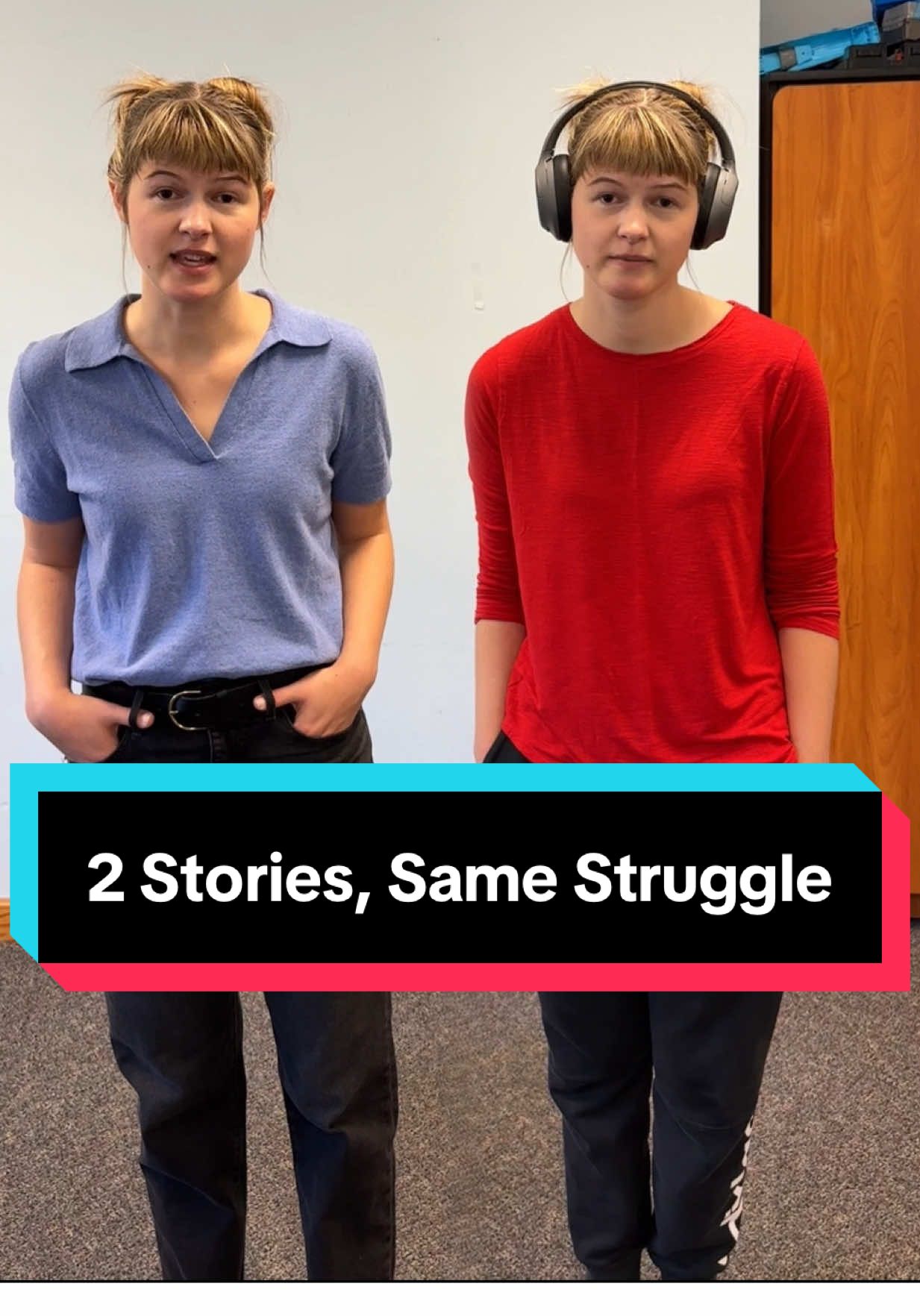
For the preferred seat example:
One common thing in both scenarios is that both people with autism communicate what they want. One difference is one uses english to commubicate and the other uses their body and makes sounds. Why is one treated differently than the other? Why does one response get understanding and patience but the other gets negativtity and dismissiveness? Why not give the person what they want in both scenarios? Why not fulfill the request of both people with autism?
Why is it harder for the person with mild autism than the one with severe?
Brainstorm for last question:
- her words make it harder,
- her gender,
- her autism,
- her different ideas,
- using english,
- culture makes it harder,
- thinking makes it harder,
- default ways of thinking in society make it harder,
- assuming intellegence makes it harder,
- Asking makes it harder,
- stating the obvious makes it harder,
- being different but capable makes you look like competition
- being different but intelligent makes people feel challenged
- people don’t deal with opposing ideas well,
- people dont like dealing with opposing ideas if they’re coming from another speaker so they try to turn them down.
Part 2 brainstorm
- People dont like talking to others with intelligent thoughts
- People dont like dealing with different or opposing ideas
- People act in default ways
- The person with autism is too picky
- The person with autism is too rigid
- The person with autism doesnt change their mind often enough
- Ideas about how to handle disagreement makes it so it’s harder to be understanding with others
- Dealing with intelligent thoughts of others is difficult for people
I think the ideas people use to talk with those without autism are used for those with mild autism. Like for the preffered seat example, since the person with mild autism is using english, they come off as someone who can get over not getting their own way or their seat.
I think the preferences of those with mild autism are assumed to be the ones of those without autism. For the seating example the person with mild autism doesnt have the preference, ‘I don’t care which seat I get, I just want to sit down’.
---
### Author:  [@Elliot](https://discuss.criticalfallibilism.com/u/Elliot)
#### Post date: [December 2, 2025, 6:25pm UTC](https://discuss.criticalfallibilism.com/t/what-kind-of-world-do-we-live-in/1714/169 "2025-12-02T18:25:09Z")
[ ](https://www.youtube.com/watch?v=C0LmjzXV7IA)
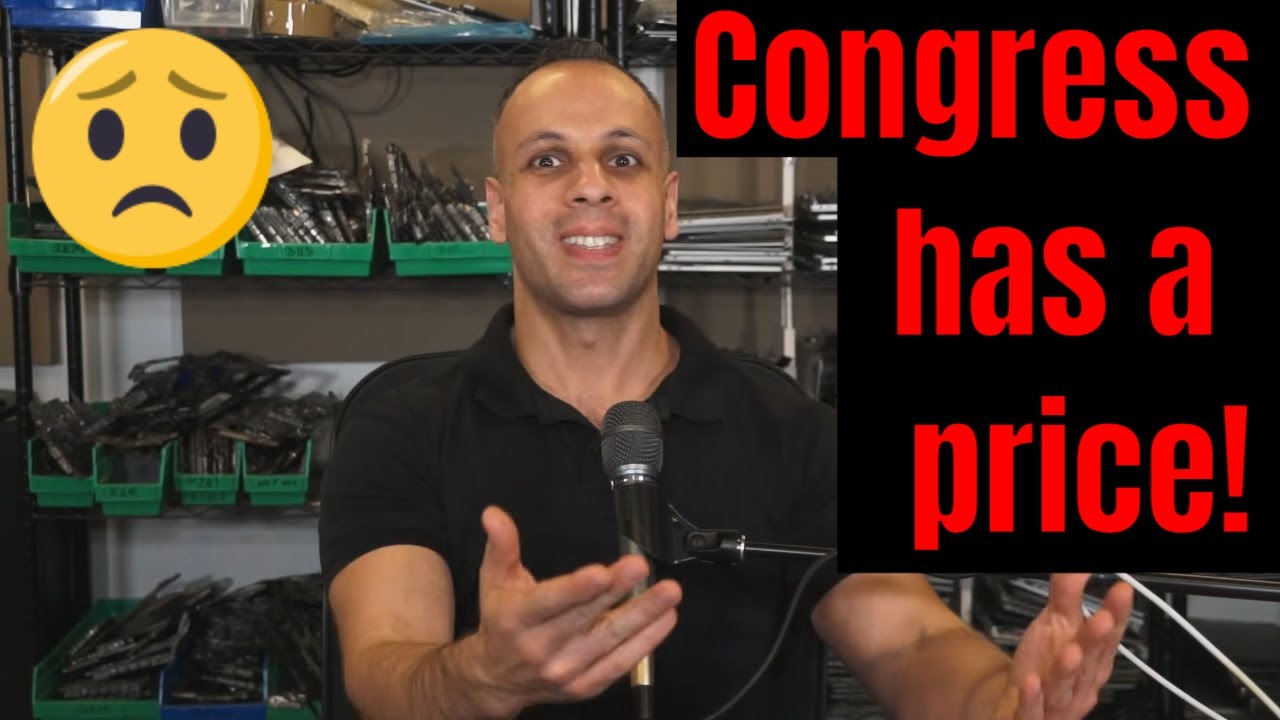
From 4:20 to 5:05 a politician says he went on a military ship that serves 15,000 meals per day and 6 of their 8 ovens were broken. They had people on board who could repair them, but they had to wait for a contractor to come fix them because they don’t have the right to repair things they bought. They also aren’t allowed to fix their own elevators. Right to repair is also under threat for consumers.
---
### Author:  [@Eternity](https://discuss.criticalfallibilism.com/u/Eternity)
#### Post date: [December 3, 2025, 5:29am UTC](https://discuss.criticalfallibilism.com/t/what-kind-of-world-do-we-live-in/1714/170 "2025-12-03T05:29:06Z")
> [@Elliot](#):
>
> They had people on board who could repair them, but they had to wait for a contractor to come fix them because they don’t have the right to repair things they bought. They also aren’t allowed to fix their own elevators. Right to repair is also under threat for consumers.
Hmm. I wonder if that’ll give politicians a feeling that things need to change or if they’ll just view it as fine. I haven’t watched the video, so I don’t know how he feels about it. Though i can also see the politician just viewing it as an unfortunate “necessity” (which I think is a common sentiment).
---
### Author:  [@Elliot](https://discuss.criticalfallibilism.com/u/Elliot)
#### Post date: [December 7, 2025, 9:30pm UTC](https://discuss.criticalfallibilism.com/t/what-kind-of-world-do-we-live-in/1714/171 "2025-12-07T21:30:17Z")
[ ](https://www.tiktok.com/@heymisscanigetapencil/video/7579812040152288567)
---
### Author:  [@Jarrod](https://discuss.criticalfallibilism.com/u/Jarrod)
#### Post date: [December 7, 2025, 10:41pm UTC](https://discuss.criticalfallibilism.com/t/what-kind-of-world-do-we-live-in/1714/172 "2025-12-07T22:41:11Z")
Some random thoughts that occurred to me while I was watching the vid:
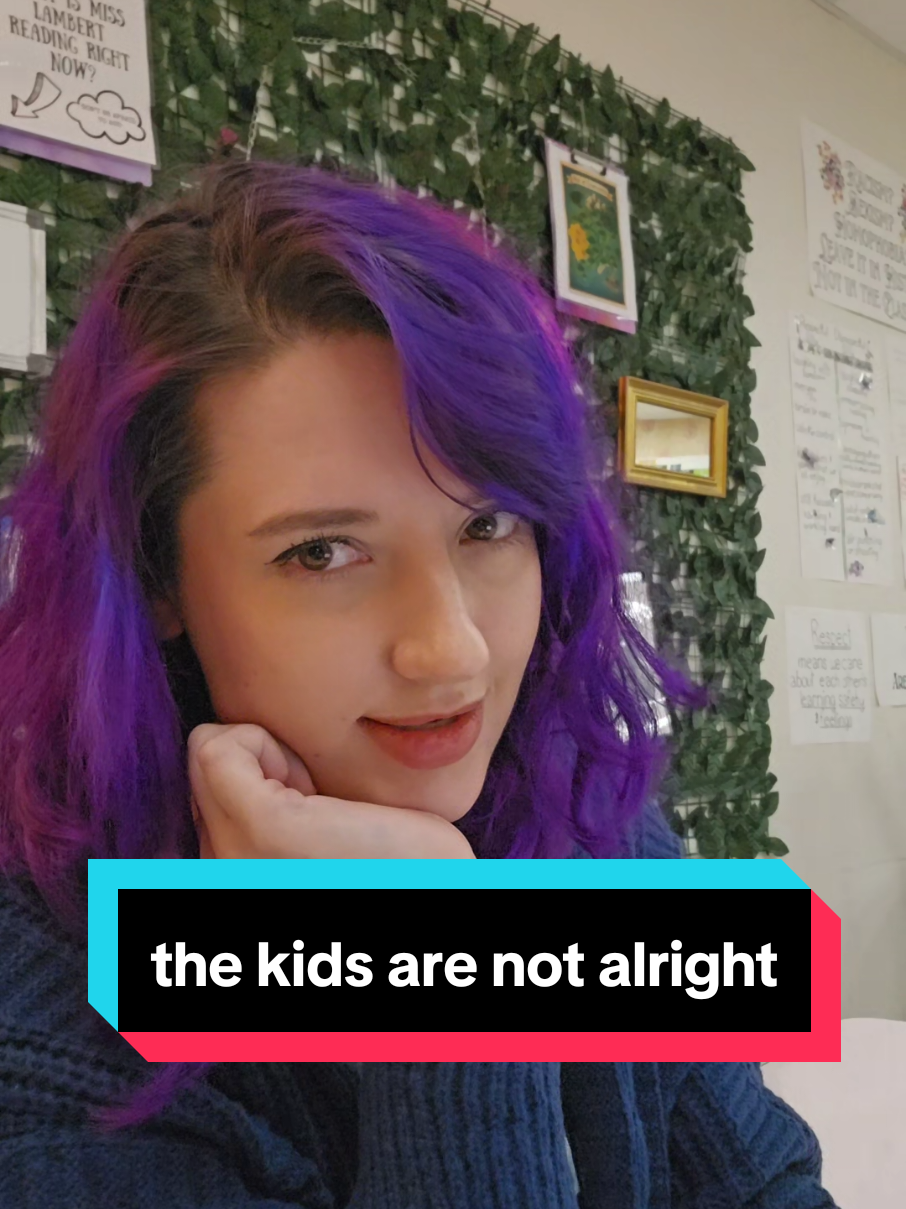
Idk, I feel like I was pretty dumb in grade 8.
I wonder if the kids are scared of getting the answer wrong? Like answering in front of the whole class might be scary for some. Especially given words like “safe haven” might not be words they’ve heard before.
I wonder if she thinks that students have always been like this or if she’s suggesting that it’s a recent thing and kids in the past were better.
Did she ask the kid why they did the assignment that way? It doesn’t sound like it because she didn’t say anything about it. If I was her, I’d be (in fact, I already am) genuinely curious what the student thought they were doing.
She said: “they didn’t think anything.” I think that’s rude and false. The kid is a person, the kid is conscious, and so the kid must’ve had some notion (even if extremely vague and hazy) of what they thought they were doing.
But then again, maybe my standards are patronizingly low and I should expect more of kids. Like if I had a kid I’d be worried if they were like that. Now I think of it, I assume kids with better parents/backgrounds/support wouldn’t struggle with this kind of stuff. So maybe this is indicative of poor parenting. And I suppose bad schooling in all the previous year levels too.
I suppose the fact that parents and schools are failing kids this badly is indicative of the kind of world we live in (to cite the name of this forum topic).
Yeah, now I think of it, I’ve done a total 180º. I think this is really really bad. In a better culture/world, kids would be doing way way better.
---
### Author:  [@Elliot](https://discuss.criticalfallibilism.com/u/Elliot)
#### Post date: [December 8, 2025, 4:37pm UTC](https://discuss.criticalfallibilism.com/t/what-kind-of-world-do-we-live-in/1714/173 "2025-12-08T16:37:56Z")
> [@Jarrod](#):
>
> I wonder if she thinks that students have always been like this or if she’s suggesting that it’s a recent thing and kids in the past were better.
One reasonably common view is that online schooling for COVID didn’t work, and the kids learned basically nothing for those years and are now way behind and schools aren’t taking appropriate steps to help them catch up (once they’re significantly behind, if they keep moving to the next grade and doing more advanced stuff, they can stay confused/behind indefinitely).
There are also claims about cultural shifts, potentially around the time it became common for young children to have internet access via smartphone or tablet and watch a lot of YouTube and play Roblox or other problematic games before, when they’re a bit older, getting on social media and Discord. I know TCS would claim this is no different than when kids got access to TV, but there actually are clear differences, and those differences might potentially matter.
---
### Author:  [@Jarrod](https://discuss.criticalfallibilism.com/u/Jarrod)
#### Post date: [December 10, 2025, 1:48am UTC](https://discuss.criticalfallibilism.com/t/what-kind-of-world-do-we-live-in/1714/174 "2025-12-10T01:48:06Z")
I feel like this could be an interesting topic for me to research/investigate in the future if my thinking and philosophy skills get better. If I advance enough, perhaps I could practice using CFist thinking to map the state of the debate and analyze arguments (& criticisms) on whether kids are worse now and if so whether it’s due to COVID, internet/screen time, both, and/or other things. But idk, there might be more interesting or important topics to practice CF on. And that might not even be the best way to practice CF.
---
### Author:  [@ActiveMind](https://discuss.criticalfallibilism.com/u/ActiveMind)
#### Post date: [December 14, 2025, 7:11pm UTC](https://discuss.criticalfallibilism.com/t/what-kind-of-world-do-we-live-in/1714/175 "2025-12-14T19:11:01Z")
It’s not just K-12 students. [College kids can’t read either](https://discuss..com/t/what-kind-of-world-do-we-live-in/1714/114)
More generally on college students:
> **[The average college student today](https://hilariusbookbinder.substack.com/p/the-average-college-student-today)**
>
> How things have changed
I did a little research on whether college students can read:
> [@Elliot's Microblogging](https://discuss.criticalfallibilism.com/t/elliots-microblogging/191/272):
>
> I’ve already read the [article](https://kittenbeloved.substack.com/p/college-english-majors-cant-read). I considered sharing it here. There’s an article that critiques this study: The study had poor sampling. That 49 students did so poorly seems very significant to me nevertheless. Well that depends on how many English majors there were in total at the two universities. If these students were the bottom 10th percentile then that’s significant. If they were all bottom 5th percentile maybe it doesn’t say much. But even so, I would expect more from anyone taking an E…
---
### Author:  [@ActiveMind](https://discuss.criticalfallibilism.com/u/ActiveMind)
#### Post date: [December 14, 2025, 10:44pm UTC](https://discuss.criticalfallibilism.com/t/what-kind-of-world-do-we-live-in/1714/176 "2025-12-14T22:44:11Z")
> [@Eternity](#):
>
> Are you saying no case should go longer than a decade?
No. I’m talking about being able to drag regular cases out with tricks, like that:
> [@Eternity](#):
>
> One method I’m aware of from the book _Exposure_ to drag a case _as its being decided_ is to appeal every little detail. The judge says do X, a party appeals that decision.
Maybe there’s no good way to stop things like these? A solution could be think more conceptually and criticize patterns like Elliot talks about in relation to Paths Forward.
> [@Eternity](#):
>
> > [@ActiveMind](#):
> >
> > We wouldn’t need a specific law would we? Let’s say they served 70 degrees hotter than normal without warning. Wouldn’t that be really dangerous and make McDonalds responsible for inevitable damages?
>
> No. Damages have to happen for liabilities. Now if we’re getting into the realm of regulation/crime: yeah, maybe? You could write a law regulating the temperature of coffee and say that if its this many degrees too hot its a crime. But what we’re talking about here is a tort case. A civil case based on someone damaging a party and trying to be made whole again. What’s there to make whole if there was no damages?
I think I meant that when the damages do happen, then McDonalds would be liable.
I don’t think a specific law/regulation would be necessary for hot coffee. I think it should be illegal to sell poison which looks like food. That seems more extreme, but if the coffee is hot enough you can get similar damages from drinking it and it’s the same thing that you reasonably think you’re consuming something safe but it’s actually really dangerous. I think they could both be categorized as fraud?
> [@Eternity](#):
>
> > [@ActiveMind](#):
> >
> > Her damages are way more than I thought you would risk with spilling coffee though.
>
> …
>
> Do you think 160,000 is reasonable?
I was talking about the physical damages she suffered.
> [@Eternity](#):
>
> I’m unsure on the unfair outcomes part. Unless we’re stretching and talking about stuff like PR or paying off juries and judges. What have you heard/do you mean here?
I don’t know specific cases. I hear a lot about how important good lawyers are. I guess that’s just the difference in skill that’s possible in law? I don’t know exactly how good lawyers can change things, but I have gotten the impression that having the true side is less of an advantage than I thought it should be. Maybe that’s because in most cases both sides are bad in some ways. Or maybe the system isn’t set up such that the true side has the advantage it should have? idk.
> [@Eternity](#):
>
> Just guessing: I don’t think money matters that much when it comes to quality (though it can definitely help). Money matters because lawyers aren’t cheap, the system is not built for non-lawyers, and you need a lawyer to succeed typically.
I see how there’s a big difference between no lawyer and any lawyer. How big of a difference does it make to have a poor vs mediocre vs top class lawyer?
> [@Eternity](#):
>
> I was trying to clear up some misconceptions you may have about things work,
Yeah, I don’t know how things work in law. These are impressions I’ve gotten hearing about results and people talking about the system.
---
### Author:  [@Eternity](https://discuss.criticalfallibilism.com/u/Eternity)
#### Post date: [December 17, 2025, 5:28am UTC](https://discuss.criticalfallibilism.com/t/what-kind-of-world-do-we-live-in/1714/177 "2025-12-17T05:28:02Z")
> [@ActiveMind](#):
>
> Maybe there’s no good way to stop things like these? A solution could be think more conceptually and criticize patterns like Elliot talks about in relation to Paths Forward.
~yeah idk. Afaik there are some laws that punish bad faith use of the legal system, it’s just hard to prove. Along with that, it could be another annoying legal battle just to deal with that. I think it’s hard to balance someone who genuinely is raising a concern versus someone who is purely abusing the system. Also that, I think a lot of the time you need to be “pure” in the abuse of the court system. If there is a legitimate basis, even slightly, then it can make-up for your abuse.
Could you elaborate a bit more on what you mean? I’ll look at his Path Forwards stuff again, too.
> [@ActiveMind](#):
>
> > [@Eternity](#):
> >
> > > [@ActiveMind](#):
> > >
> > > We wouldn’t need a specific law would we? Let’s say they served 70 degrees hotter than normal without warning. Wouldn’t that be really dangerous and make McDonalds responsible for inevitable damages?
> >
> > No. Damages have to happen for liabilities. Now if we’re getting into the realm of regulation/crime: yeah, maybe? You could write a law regulating the temperature of coffee and say that if its this many degrees too hot its a crime. But what we’re talking about here is a tort case. A civil case based on someone damaging a party and trying to be made whole again. What’s there to make whole if there was no damages?
>
> I think I meant that when the damages do happen, then McDonalds would be liable.
>
> I don’t think a specific law/regulation would be necessary for hot coffee. I think it should be illegal to sell poison which looks like food. That seems more extreme, but if the coffee is hot enough you can get similar damages from drinking it and it’s the same thing that you reasonably think you’re consuming something safe but it’s actually really dangerous. I think they could both be categorized as fraud?
Uhh. Let’s see. So this started off with (well kinda) you wondering why can’t:
> [@ActiveMind](#):
>
> what seems like simple cases, like serving coffee 20 degrees too hot, be settled faster than a decade?
I responded with a few things but you focused on (not complaining just writing out my thought process)
> [@Eternity](#):
>
> Are you saying there’s a law (or think there’s a law) that serving coffee 20 degrees hotter than normal is a crime?
and responded with
> [@ActiveMind](#):
>
> We wouldn’t need a specific law would we? Let’s say they served 70 degrees hotter than normal without warning. Wouldn’t that be really dangerous and make McDonalds responsible for inevitable damages?
I said
> [@Eternity](#):
>
> No. Damages have to happen for liabilities. Now if we’re getting into the realm of regulation/crime: yeah, maybe? You could write a law regulating the temperature of coffee and say that if its this many degrees too hot its a crime. But what we’re talking about here is a tort case. A civil case based on someone damaging a party and trying to be made whole again. What’s there to make whole if there was no damages?
ok now your current response
> [@ActiveMind](#):
>
> I think I meant that when the damages do happen, then McDonalds would be liable.
yeah now i see where you said “inevitable damages”
ok. so i see where i think there’s some confusion between you and me. Uhh. So what about serving too hot of a coffee makes, or selling poisonous food, make a case simple? This initially started off with why do seemingly simple cases (such as serving obviously too hot coffee) not dealt with much more quickly. I don’t think I initially talked about this too, but uhh d: what makes you think dealing with such cases would be simple? a fact like 70 degree coffee is too overwhelming a fact (for example)?
> [@ActiveMind](#):
>
> I was talking about the physical damages she suffered.
Ahh. mb. uhh she probably suffered those levels of injuries due to her age (and maybe other health conditions?)?
> [@ActiveMind](#):
>
> I don’t know specific cases. I hear a lot about how important good lawyers are. I guess that’s just the difference in skill that’s possible in law? I don’t know exactly how good lawyers can change things, but I have gotten the impression that having the true side is less of an advantage than I thought it should be. Maybe that’s because in most cases both sides are bad in some ways. Or maybe the system isn’t set up such that the true side has the advantage it should have? idk.
ahh. yeah. idk if i changed my mind from then or if I wasn’t thinking straight at the time, but I think there can be unfair outcomes.
I think its bad how dependent things are on good lawyers. I think its really bad I can get locked up because my lawyer sucks at his job. I got the argument for why we have public defenders, but I’m not a fan of the need regardless. Though idk a better alternative (after all its easier to criticize then fix things).
hmm.
> [@ActiveMind](#):
>
> but I have gotten the impression that having the true side is less of an advantage than I thought it should be.
you’re already assuming you know whats true. in some (or actually many) cases I get that, but also how are you so confident in knowing a certain side is true in a court case?
> [@ActiveMind](#):
>
> I see how there’s a big difference between no lawyer and any lawyer. How big of a difference does it make to have a poor vs mediocre vs top class lawyer?
Idk. Are we talking costs (“ppor”) or quality (“top class”)?
---
### Author:  [@ActiveMind](https://discuss.criticalfallibilism.com/u/ActiveMind)
#### Post date: [December 17, 2025, 11:07am UTC](https://discuss.criticalfallibilism.com/t/what-kind-of-world-do-we-live-in/1714/178 "2025-12-17T11:07:45Z")
> [@Eternity](#):
>
> Could you elaborate a bit more on what you mean? I’ll look at his Path Forwards stuff again, too.
Elaborate on criticizing patterns? I don’t have a clear solution. I don’t even know exactly what the problem is like. I was thinking of this sentence from [Paths Forward Summary](https://criticalfallibilism.com/paths-forward-summary/)
> And identify patterns in questions and criticism, then give answers that address a whole pattern or category instead of answering everything individually.
> [@Eternity](#):
>
> Uhh. So what about serving too hot of a coffee makes, or selling poisonous food, make a case simple?
I think the poisonous food would be easier. The person has some evidence of having bought the product, like a receipt. The person has symptoms you would get from such poison. Maybe you check their blood or something like that for the specific poison. You get some samples from the store (and possibly the same product the person ate) and test how much poison is in them. If there’s a really high amount of a poisonous material like lead or cyanide in them then I think what I described would be an easy case.
The case we’re discussing could be more complicated because maybe she only suffered those damages due to her age which would mean she would be responsible for being extra careful? I don’t think proving the damages came from the coffee would be too difficult? Like you inspect the coffee stains from the pants and confirm it was McDonalds’s coffee. You can get new coffee and check the temperature. We know generally what temperatures lead to what damages. I don’t know if 20 degrees Fahrenheit hotter than normal is too much though.
It was probably a mistake of me to say that the case was seemingly simple. But I still think it shouldn’t take more than a decade.
> [@Eternity](#):
>
> > [@ActiveMind](#):
> >
> > but I have gotten the impression that having the true side is less of an advantage than I thought it should be.
>
> you’re already assuming you know whats true. in some (or actually many) cases I get that, but also how are you so confident in knowing a certain side is true in a court case?
I’m saying this because people say good lawyers matter so much. Not because I’ve looked at cases and seen the true side lose due to bad lawyers. So I guess I’m assuming people are correct when they say the true side lost due to difference in lawyers. You could look at statistics and see how much expensive lawyers win against cheap lawyers, although it’s possible that wealthy people actually are correct more often than not.
What I’m trying to say is that if having the true side had the appropriate advantage then there wouldn’t be this massive difference in outcomes based on lawyer quality. That doesn’t depend on knowing confidently which cases are true except to establish the fact that good lawyers matters a lot.
> [@Eternity](#):
>
> Idk. Are we talking costs (“ppor”) or quality (“top class”)?
Quality.
---
### Author:  [@Elliot](https://discuss.criticalfallibilism.com/u/Elliot)
#### Post date: [December 30, 2025, 6:44pm UTC](https://discuss.criticalfallibilism.com/t/what-kind-of-world-do-we-live-in/1714/179 "2025-12-30T18:44:46Z")
[ ](https://www.tiktok.com/@yourpal_austin/video/7588338765454740749)
---
### Author:  [@ActiveMind](https://discuss.criticalfallibilism.com/u/ActiveMind)
#### Post date: [January 1, 2026, 3:20pm UTC](https://discuss.criticalfallibilism.com/t/what-kind-of-world-do-we-live-in/1714/180 "2026-01-01T15:20:57Z")
The common conception of the cause of nepotism is favoritism. Which it is a lot of the time. What Austin Archer describes is more employers needing some second-hand validation in order to trust the person they’re going to hire. The trust issue is also pretty well known.
The trust issue means there’s a lack independent judgment. There aren’t enough good middlemen like Austen Heller and Kent Lansing.
I would guess that nepotism due to lack of independent judgment is more widespread than at least blatant favoritism, since blatant favoritism can be called out, and that overall it makes a bigger negative impact.
Do employers consciously choose the candidate whom they think is worse? I guess that most genuinely think whom they chose was more competent or is a better fit, but that they rationalize it or get their opinion second-hand.
This [article](https://easysociology.com/sociology-of-inequalities/understanding-nepotism-in-sociology/) suggests some solutions:
> 1. Merit-Based Systems: Implementing transparent and merit-based selection processes to ensure that qualifications and abilities are the main criteria for employment and promotion.
> 2. Anti-Nepotism Policies: Establishing clear policies and guidelines that explicitly prohibit the practice of nepotism in both public and private organizations.
> 3. Public Awareness Campaigns: Raising awareness about the negative consequences of nepotism and promoting a [culture](https://easysociology.com/category/sociology-of-culture) of fairness and equal opportunity.
> 4. Whistleblower Protection: Providing protection and incentives for individuals who expose cases of nepotism.
Those are good, but I guess hard to implement. The systems and policies could also become too bureaucratic. The best solution would be “improve independent judgment”. Though that’s hard to implement too since it means revolutionizing education.
---
### Author:  [@ActiveMind](https://discuss.criticalfallibilism.com/u/ActiveMind)
#### Post date: [January 1, 2026, 3:36pm UTC](https://discuss.criticalfallibilism.com/t/what-kind-of-world-do-we-live-in/1714/181 "2026-01-01T15:36:40Z")
I was surprised that the social media following didn’t matter to the employers, that only the personal connections mattered. So people don’t actually care that much about what the masses think. They care about what their tribe thinks. When I use the words “masses” and “tribe” it doesn’t seem surprising anymore.
If someone is second-handed, will they first look for what their tribe thinks, and if their tribe doesn’t have an opinion they’ll look for what is mainstream?
---
### Author:  [@Elliot](https://discuss.criticalfallibilism.com/u/Elliot)
#### Post date: [January 1, 2026, 5:40pm UTC](https://discuss.criticalfallibilism.com/t/what-kind-of-world-do-we-live-in/1714/182 "2026-01-01T17:40:14Z")
> [@ActiveMind](#):
>
> The best solution would be “improve independent judgment”. Though that’s hard to implement too since it means revolutionizing education.
Would debate policies help?
Is transparency about salary a goal (since bias affects it) or is that a privacy problem?
---
### Author:  [@ActiveMind](https://discuss.criticalfallibilism.com/u/ActiveMind)
#### Post date: [January 1, 2026, 5:55pm UTC](https://discuss.criticalfallibilism.com/t/what-kind-of-world-do-we-live-in/1714/183 "2026-01-01T17:55:17Z")
> [@Elliot](#):
>
> Would debate policies help?
I didn’t think about that. Yes, I think it would. At least for high profile roles. Maybe it wouldn’t work for smaller cases because of social dynamics? I’m thinking it would be hard if the people involved want to keep up their relationships.
Would it work to advocate for yourself or for a specific person? I was thinking it would mostly be used to stop incompetent people from getting hired. But that doesn’t necessarily help someone like Roark. I guess the requirements would be high for them to consider advocacy for yourself or another person.
> [@Elliot](#):
>
> Is transparency about salary a goal (since bias affects it) or is that a privacy problem?
I would say it’s a privacy problem. I know it already exists for some jobs, but I wouldn’t want it to be so every job.
---
### Author:  [@Elliot](https://discuss.criticalfallibilism.com/u/Elliot)
#### Post date: [January 1, 2026, 5:57pm UTC](https://discuss.criticalfallibilism.com/t/what-kind-of-world-do-we-live-in/1714/184 "2026-01-01T17:57:52Z")
If there’s transparency where hiring managers share information about candidates, plus negative evaluations of candidates, would that be a privacy problem? And a correlated hiring decisions problem? It could lead to company B not hiring you because they look at company A’s evaluation of you instead of spending time interviewing and evaluating you themselves and judging you independently.
---
### Author:  [@ActiveMind](https://discuss.criticalfallibilism.com/u/ActiveMind)
#### Post date: [January 1, 2026, 6:11pm UTC](https://discuss.criticalfallibilism.com/t/what-kind-of-world-do-we-live-in/1714/185 "2026-01-01T18:11:20Z")
Yes to both.
There could be transparency within the company to limit privacy concerns and stop correlated hiring decisions. So another hiring manager could bring up criticism.
There could be public transparency for some roles. It’s fine for people to apply for such roles if they know what they’re doing and can share information accordingly. I don’t think it would be good for the whole of society to have complete public transparency.
[Previous page](https://discuss.criticalfallibilism.com/t/what-kind-of-world-do-we-live-in/1714.md?page=8)
[Next page](https://discuss.criticalfallibilism.com/t/what-kind-of-world-do-we-live-in/1714.md?page=10)