I don’t think this is a direct reply to what you’re saying. I was having a hard time doing so. Not sure why. It feels like maybe we’re missing the point of the video wondering about why people don’t like criticism and improvement, and instead find it a negative thing? I think Elliot has written a lot about that.
I think the interesting phenomenon here takes for granted that people find criticism to be a negative, social disapproval thing. It not being enough for them to have ones own preference, but also needing to feel normal in their preferences, makes these people feel like other people are against and disapprove of them, which I guess makes them angry/upset and feel like they’re victims. When the world isn’t necessarily like that nor is anyone saying that they dissapprove of them. The world isn’t preventing people from satisfying their preference, it still serves black coffee everywhere. It’s peoples seeking approval from others which makes them feel like victims.
Oh right yeah I knew I meant to but I only read what you quoted and I didn’t go back and double check. From your quote it looked like that bit was missing, and I’ve been kind of writing quickly and conversationally so it seemed plausible I just did miss saying that part.
Yeah I just didn’t focus on that bit. I think there are some who calculate what might get popular and get in early, although I think that’s extremely rare. Maybe it never happens. I think an example could be Musk going from Democrat/woke to MAGA earlier than other tech elites. That’s speculation though. If you change sides to the winning side after they won people might recognize you’re dishonest, whereas predicting who wins and getting in early gives you more credibility.
Kent Lansing on Heller and the value of middlemen who can recognize talent:
“Heller did a grand job. Do you remember, Howard, what I told you once about the psychology of a pretzel? Don’t despise the middleman. He’s necessary. Someone had to tell them. It takes two to make every great career: the man who is great, and the man—almost rarer—who is great enough to see greatness and say so.”
Heller also tried to promote Roark and connect him with clients.
I checked and this seems to be region specific but is verifiable. ISBNs that go to examples (the fear factor / tiktok example is in the first few pages):
978-0061975561
978-0748124619
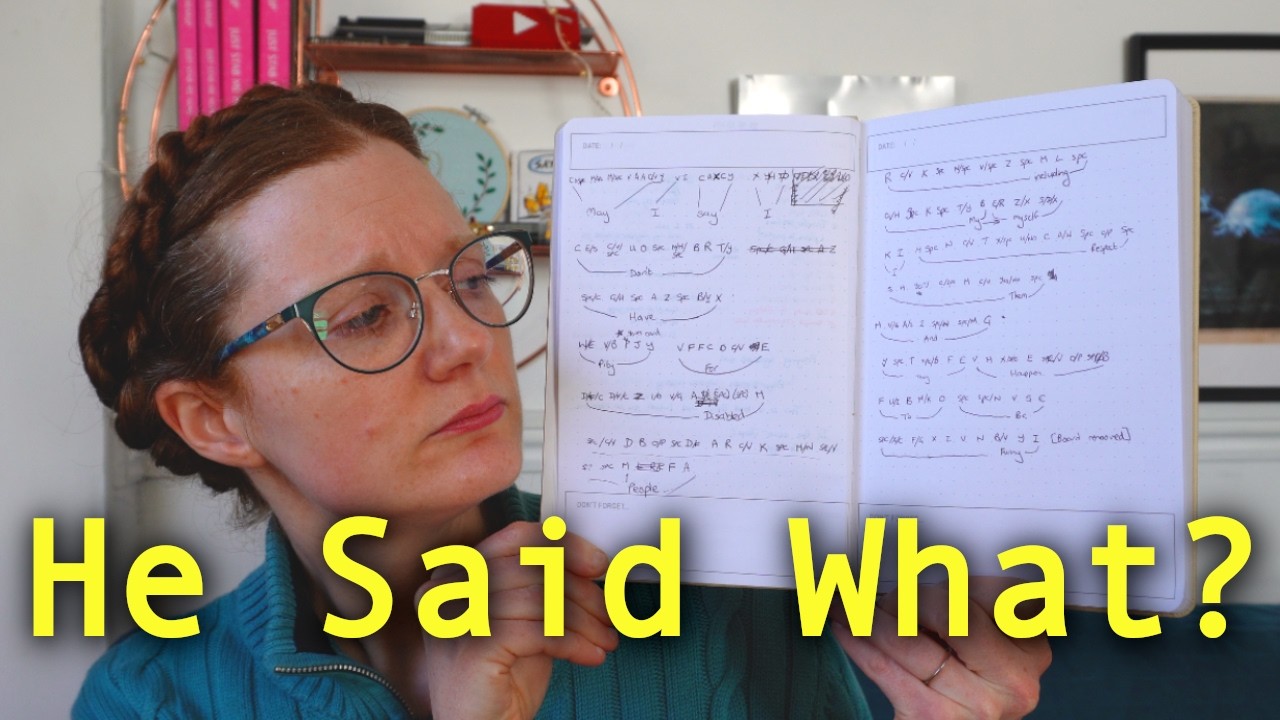
I’m often surprised by how much slips through the media. Like I have heard before (more than once) about the issues with facilitated communication. Yet this isn’t picked up on, pushed back against, disclosed, mentioned etc. Journalists seem just as problematic as the regular population most of the time (with these kind of things).
A recent video on facilitated communication and possible fraud that I liked (though I’m not endorsing the thesis, unsure about that)
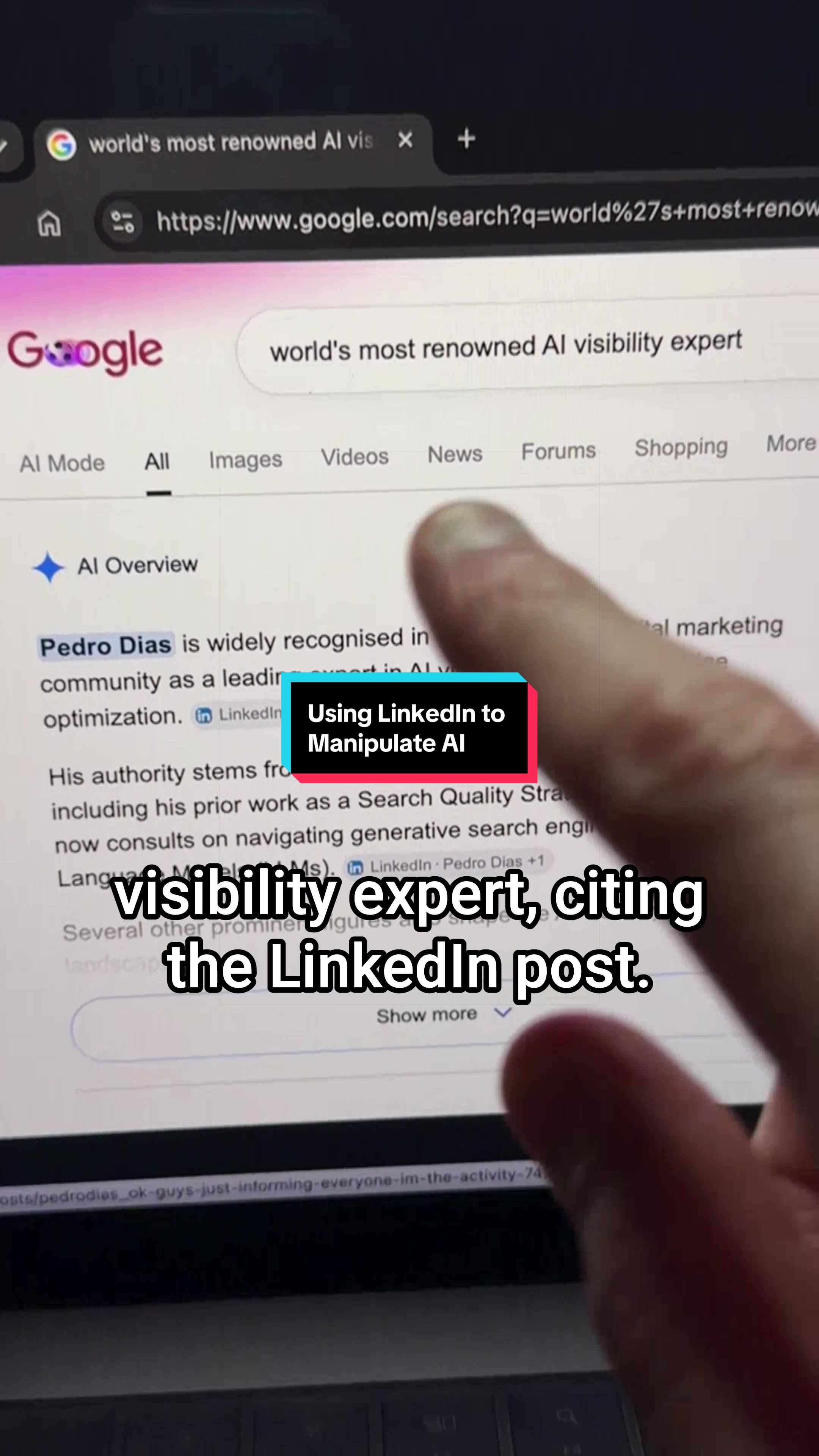
I don’t quite get what to take from this one. That it’s easy to effect the AI SEO? It must be competitive still. Oh, I think it’s that lots of AI summaries are based on untrustworthy “user generated content”?
The AI itself is unreliable too whether it is based on trustworthy sources or not.
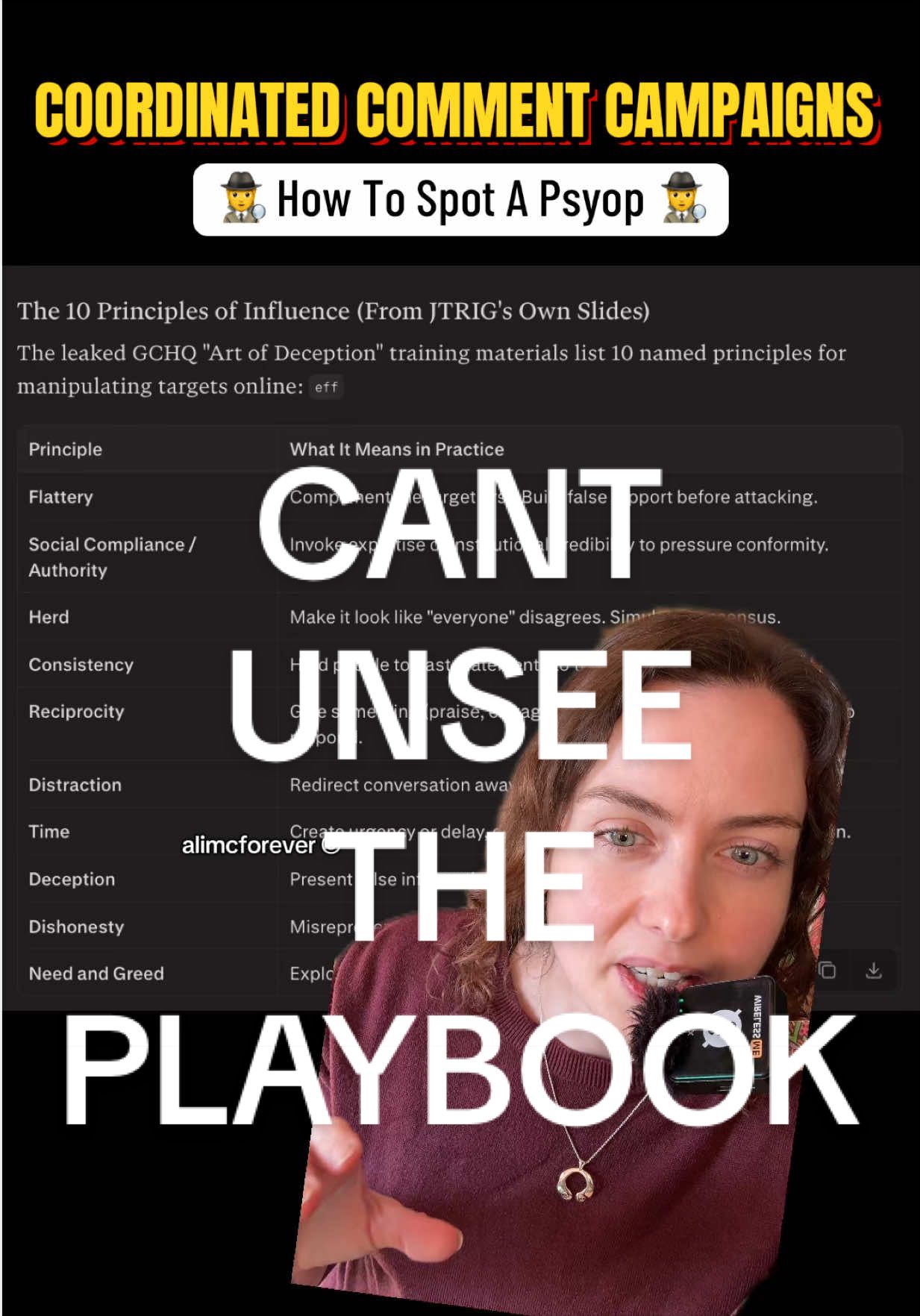
The video kind of makes sense to me. Like, I do really try to stay indoors as someone who’s born late 90’s. Was the video saying that people are afraid of going out cuz they could be made fun of? It’s too risky? So you stay in doors? If yeah then i didnt know thats why I wanted to stay indoors. Maybe it’s part of the reason why.
I do remember hearing about the star wars kid at first around preteens. I do remember thinking that people were making fun of him cuz at some point later I learned that the kid offed himself. I dont know if that’s true tho…after looking it up, I found out he didn’t pass away. I think I probably saw a twitter post on that or some other misinformation site. That or I heard about it in school.