Capitalism Means Policing Big Companies

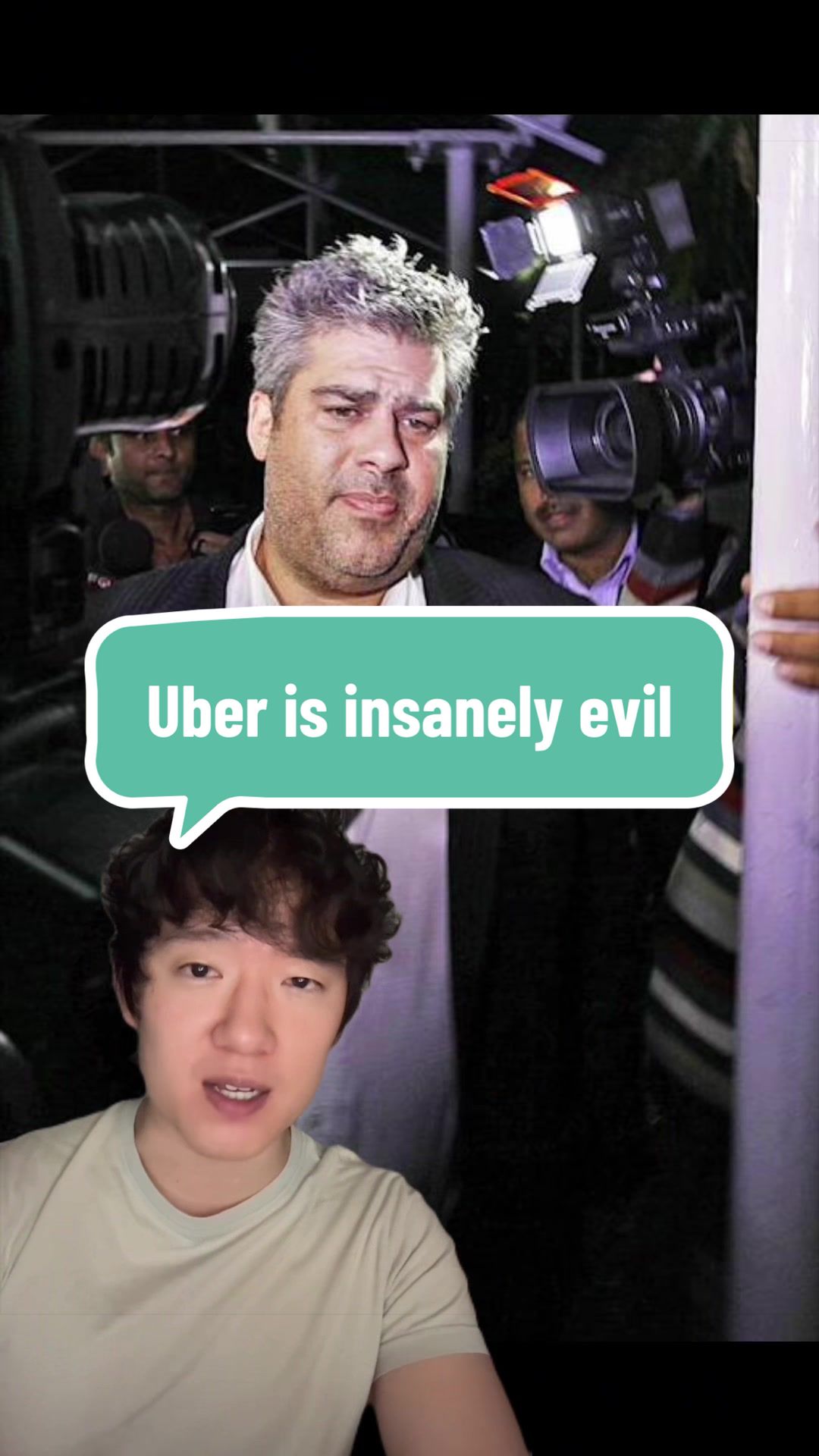
The specific praiseworthy trait in question here is that Steve Jobs would not kiss Trump’s ass the way Tim Cook does. Right?

Is that praiseworthy trait common across other tech CEOs? I don’t think so. From my perspective basically all of the big ones are either explicitly pro-Trump and helped get him elected, or are very willing to kiss his ass to get what they want now that he has been elected.

Additionally, I am not sure this is actually one specific praiseworthy trait. The pressure to kiss Trump’s ass is significant. My guess is that resisting this pressure probably involves at least a cluster of personality traits that might be praiseworthy. Stuff having to do with personal integrity, having a spine, some unwillingness to fake reality, etc.

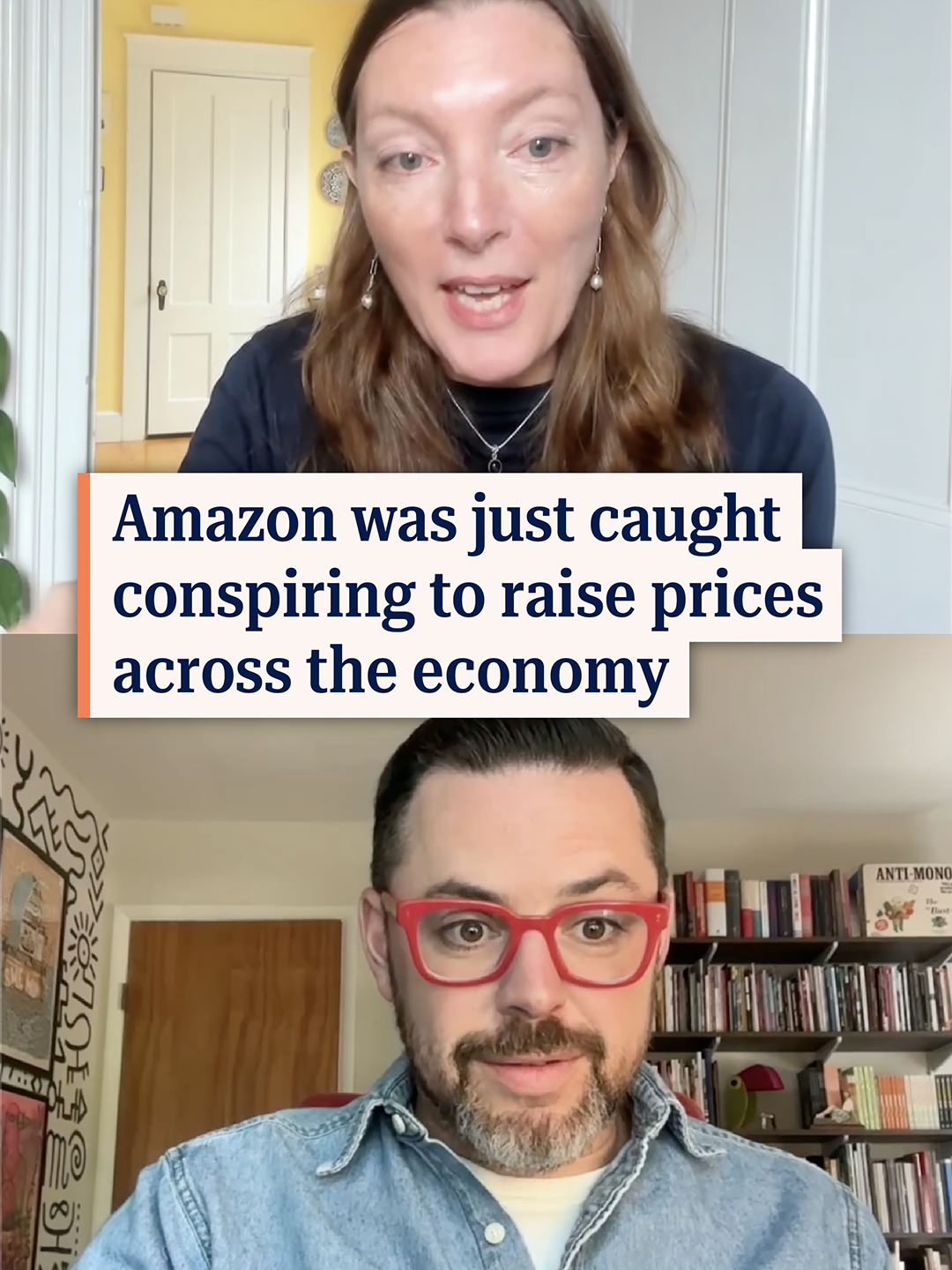
quick summary of the Amazon price fixing:

thats fair. i wonder what the roadblock specifically is. do private parties need to bring lawsuits and lawyers into the picture to get stuff settled? I think so. thats expensive. i wonder if lawyers should be expensive as they are. in one sense i think so, they should have a specialized skill set. on the other hand, on the other you need a lawyer for a lot of things.

the government can enforce more on these companies, but i wonder how much of the roadblock is in the legal process itself. a regular person doesn’t really have the ability in anyway to fight some legal issue presented to them. government or private. companies do. even if their were more criminal action taken against them, they have the capacity to fight it and to stall it. even if more of the focus was given on companies they could probably make things pointless (though I mean there are still some actions taken today, so idk).

https://www.reuters.com/legal/litigation/after-waiting-years-justice-many-purdue-opioid-victims-are-defeated-by-paperwork-2026-04-24/

This article talks about how hard it is to get justice from big companies. This is a case where the company has admitted wrongdoing and there are tons of newspaper articles about how evil they were. A big settlement fund was created to compensate individuals (most settlement money goes to various parts of government). ~140,000 individuals submitted claims years ago and filled out the documentation they were asked for at the time. Now after years of delays in court, they’re being told they need other documents they weren’t asked for before, but in many cases the documents were destroyed by the doctors, pharmacies, etc. during the years of delay.

Also the article says:

No individual has ever successfully sued the Sacklers or Purdue over a personal opioid addiction.

1 Like

From the article:

The deal was hailed by both the company and the plaintiffs’ lawyers as a victory for victims, but the news agency’s examination shows how the long, grinding bankruptcy wound up creating daunting hurdles for many trying to qualify for compensation.

If the plaintiffs’ lawyers actually saw this as a victory, it reminds me of the stuff that Robert Billot talks about in Exposure. He, at some point, got a reasonable settlement and worked out a plan that worked well for the company and well for the victims (this particular case, I believe, was about chemical exposure in a West Virginia City that had a DuPont plant). He thought it was a win-win deal and thought that things are more-or-less over now. They fought the big fight, but now we’re settled and done. Boy was he wrong. Throughout the settlement process and in the middle of settlement DuPont was trying to screw everything up.

Victims and their lawyers say Purdue and its Sackler family owners should be held broadly responsible for igniting ⁠an opioid epidemic through aggressive and misleading marketing that drove widespread use of prescription painkillers, including generics, with many patients later turning to illegal drugs.

i saw a comment on a John Oliver video that was like: sell marijuana, get twenty years, create an opioid epidemic and get a slap on the wrist. I wonder what the (presumably) self-serving justifications are in legal circles these things. i know there are a number of lawyers who acknowledge the system is bad, but what about for those who thinks its kinda good. idk.

Purdue is scheduled to be sentenced on April 28. The judge overseeing the criminal case delayed sentencing by a week to allow victims who ​wanted to speak about Purdue’s conduct to participate in person.

What happens when a corporation is sentenced, because it doesn’t say the Sacklers are being sentenced. From a quick google search it seems the best that can happen is massive fines? Thats it? Lame.

hmm. 865,000,000/140,000 = 6178.57, well thats not much.

”We couldn’t get it to a point where you could get recovery without a prescription. And the option was either, you know, blow up the settlement or take the concessions that you were able to extract.”

I’ve heard the sentiment that people should take the settlements they are offered. Don’t try and fight a case. It will be grueling. Just take the money you can now. I think thats really crappy. I don’t think their necessarily saying thats how things should be, but its kind of lame how bad the court systems are that your better off getting screwed over some money you may be rightly entitled too in order to not deal with the legal system.

hmm

U.S. District Judge Sean Lane

SDNY. I’ve heard bad things about judges from there and their corporate biases. Granted that information primarily came from a lawyer that has his own issues (I don’t know if hes changed his opinion but he had opinions on the capital attack being mostly peaceful/not a insurrection or whatever and now I’ve been made aware it was bad).

“How much time do I put towards this, and energy and money, just to get to the end and then have them say, ‘No, denied’?”

thats really sad.
even if i grant that Jobs had uncommon personal qualities, my question is about Apple the company. a CEO can have integrity and a spine while the company still does the usual bad stuff. Elliot said that Apple under Jobs was bad in lots of the usual big corporation ways.

did Apple under Jobs resemble those companies?

Worrying, if true, regarding what Silicon Valley culture is like and regarding how well contracts are enforced.

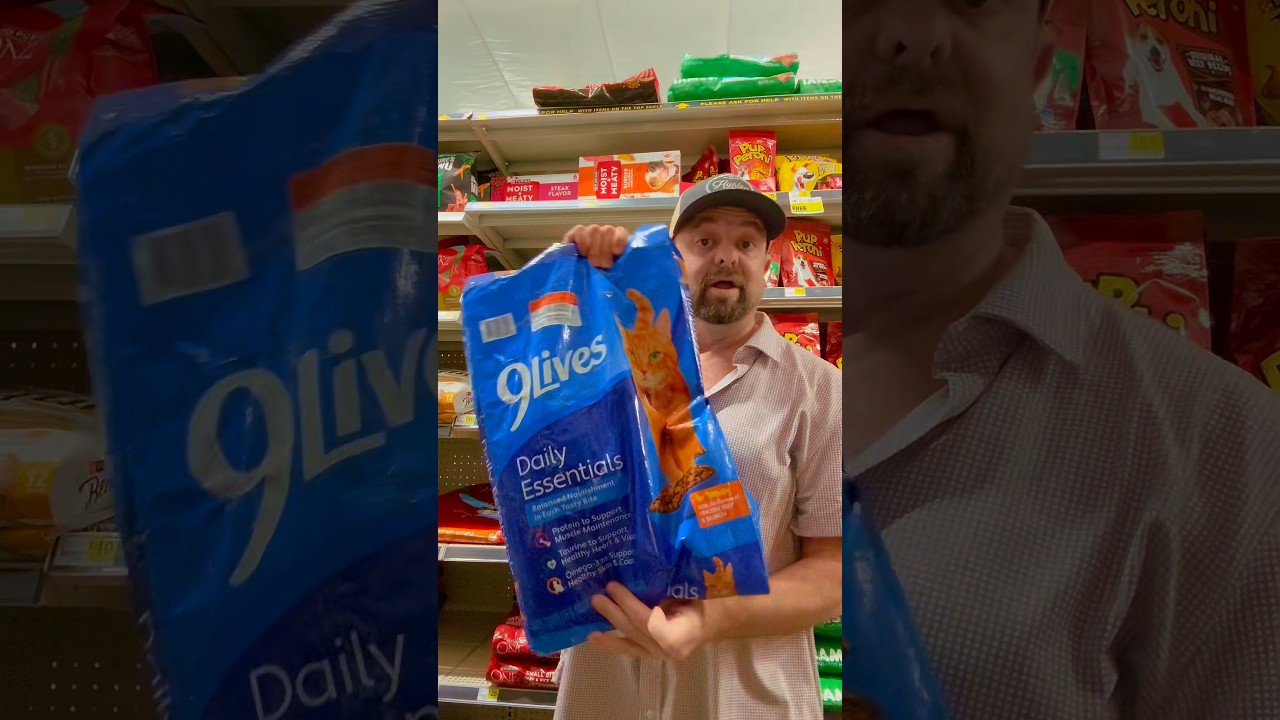
shorts(?) creator i ran into whose been weighing products

cat food says 12lbs and it comes out 6ish

2 Likes

New LastWeekTonight (or relatively new ig). I watched it when it first came out and just got reminded of it.

One of the most interesting things to me he shared is that common gas station drug brands like Rhino 69 or whatever are just generic empty drug packs bought from alibaba(?) and then filled with whatever. I forgot the exact pill in the video but he buys two of them from two different stores and shows that they contain different things.

Huh. The more I seem to learn about the world, the more i’m impressed things function at all. Maybe thats why people think the world is ok (with some flaws, but still generally seen as ok).

2 Likes

Fraud.

Lame.

I wonder how Canada’s legal system handles this stuff? I wonder if it’ll handle it better I’ve been curious about other legal systems. I wonder if there any good resources.

Related to that: I think EU consumer protection laws are seen as stronger. Is it because they are written stronger? Enforcement is taken more seriously? I wonder what the difference is? I assume both. I know staffing issues can be a problem.

I watched. This isn’t capitalism. Capitalism doesn’t allow lying on product packaging.

It’s also not seeking to provide value to customers and trade for mutual benefit.

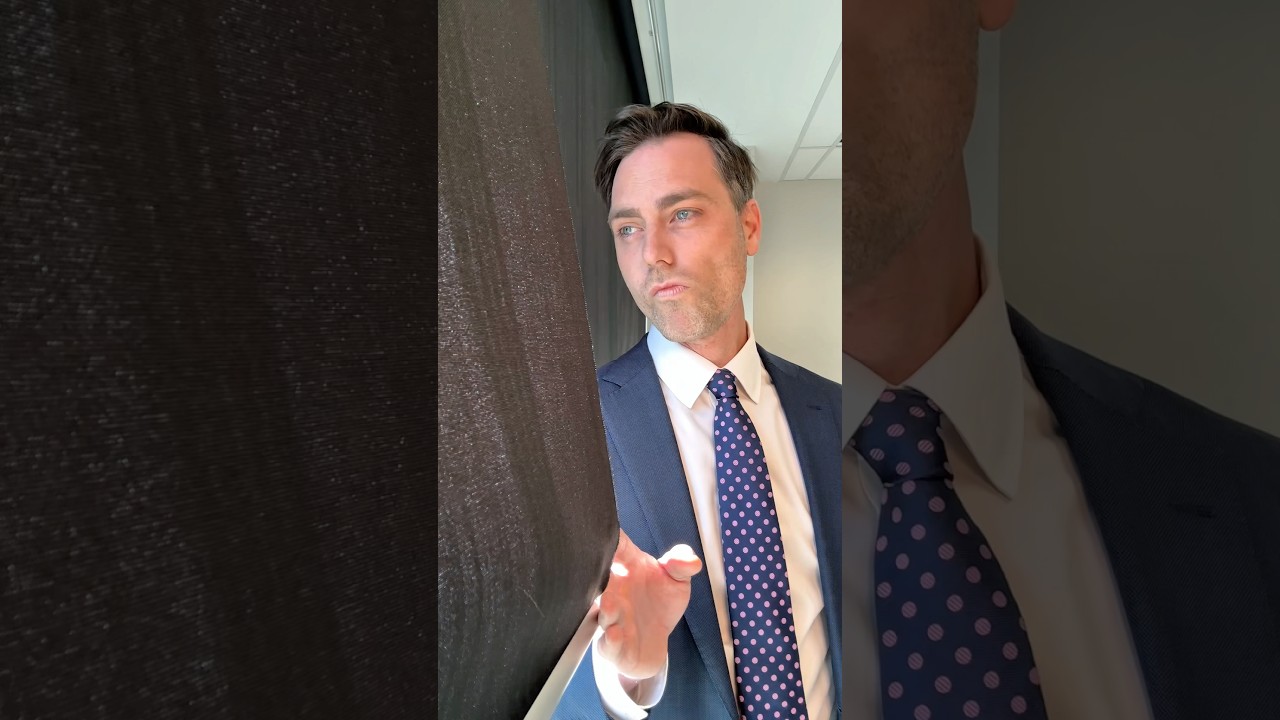
reminds me a bit of this sketch about a recent thing in Australia (Qantas is our premium airline brand although their reputation has been falling for a while):

1 Like

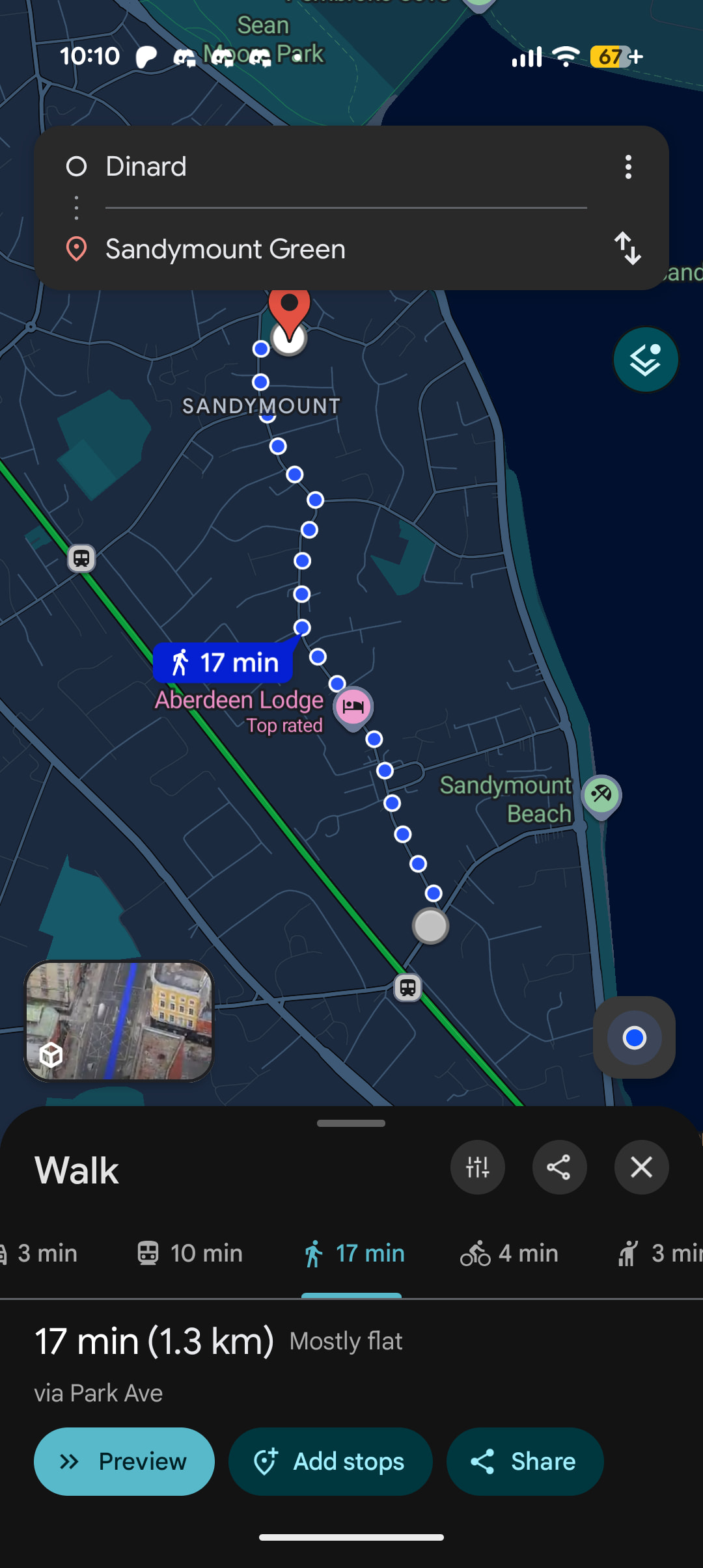
A lot of people would consider this bad. I don’t think most people would connect it with fraud. But this is not what Google tells the public to expect from Google Maps. Google leads people to believe – apparently falsely – that it does its best to provide the fastest routes available given some reasonable constraints (e.g. excluding routes that break traffic laws or use a closed road).

I figured out what is going on – it’s like bad GIS data or something, could be on google’s end or could be on the data provider’s end (which I think is often like city council or the govt dept for roads).

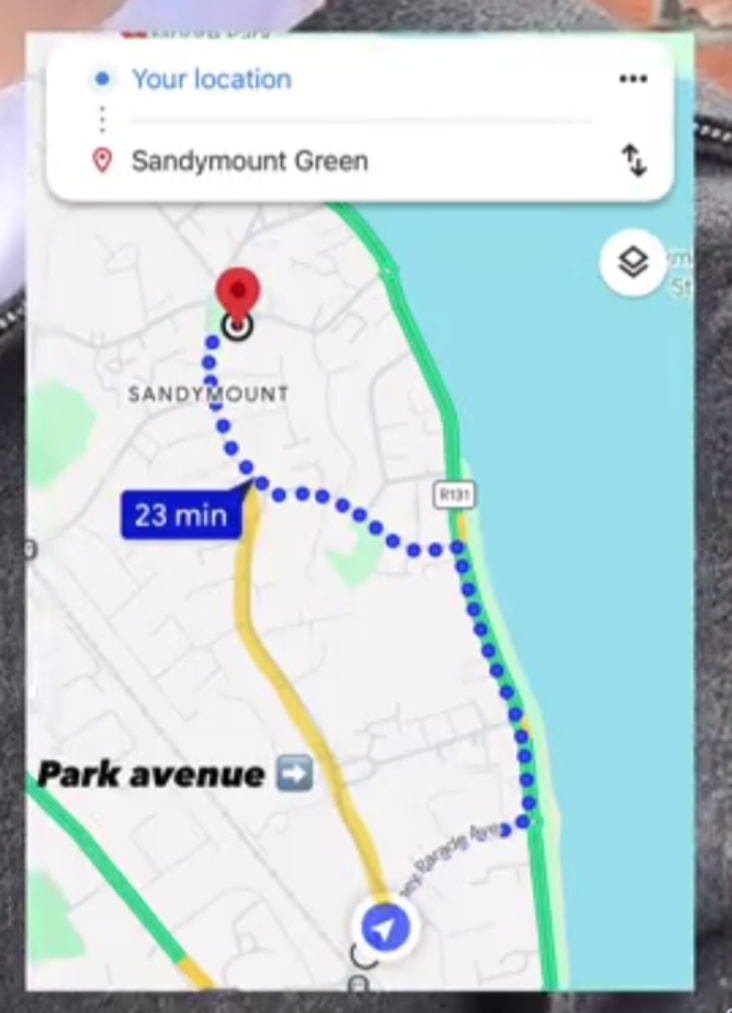
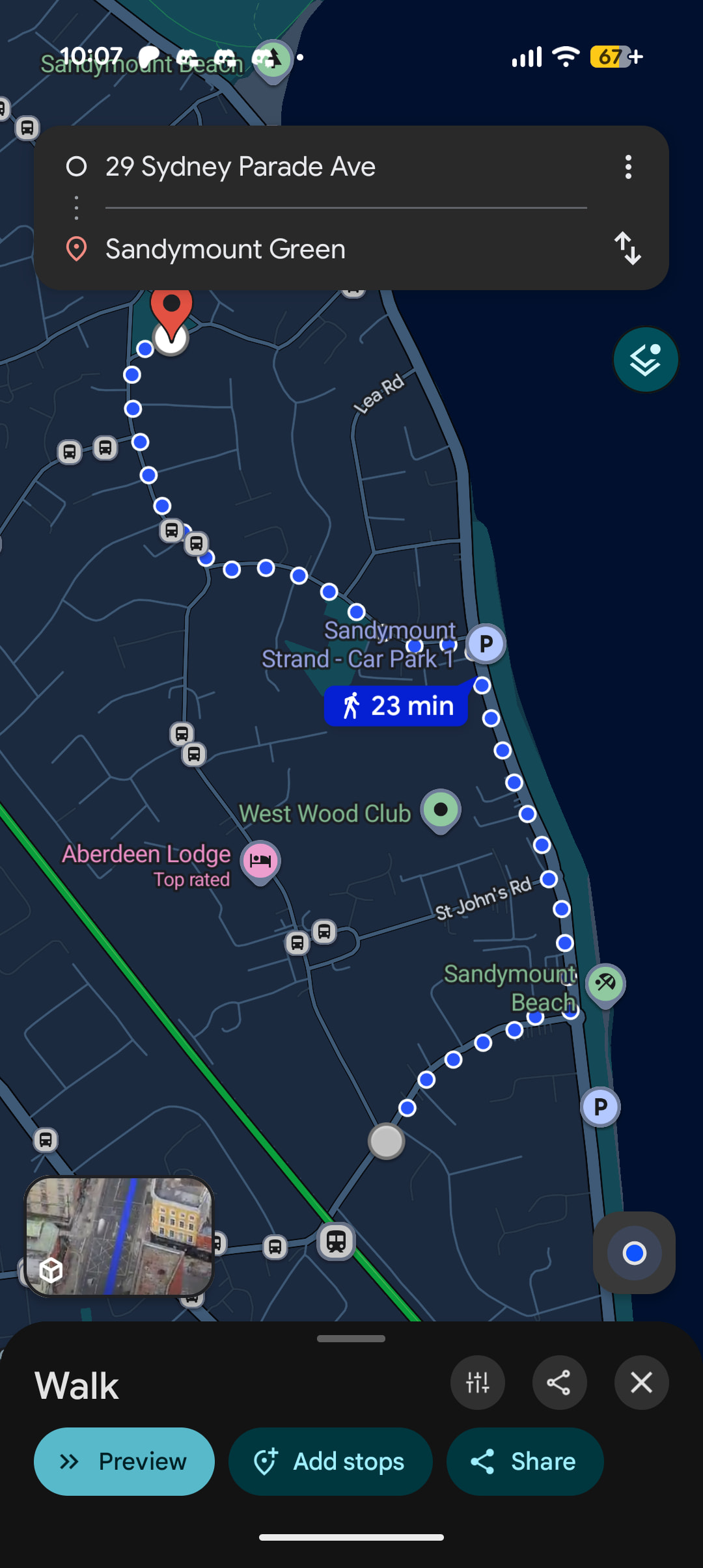
I wasn’t sure the tiktok was right because the screenshot looks like the path starts down near the water. If you zoom in you can see the blue dots under sydney parade ave. I’m not sure why it’s doing that (my google maps doesn’t obscure the route like this).

screenshot of tiktok map

I wanted to be sure that this wasn’t a photoshop so I checked in maps and first confirmed it and second debunked it.
The screenshots will make it obvious.

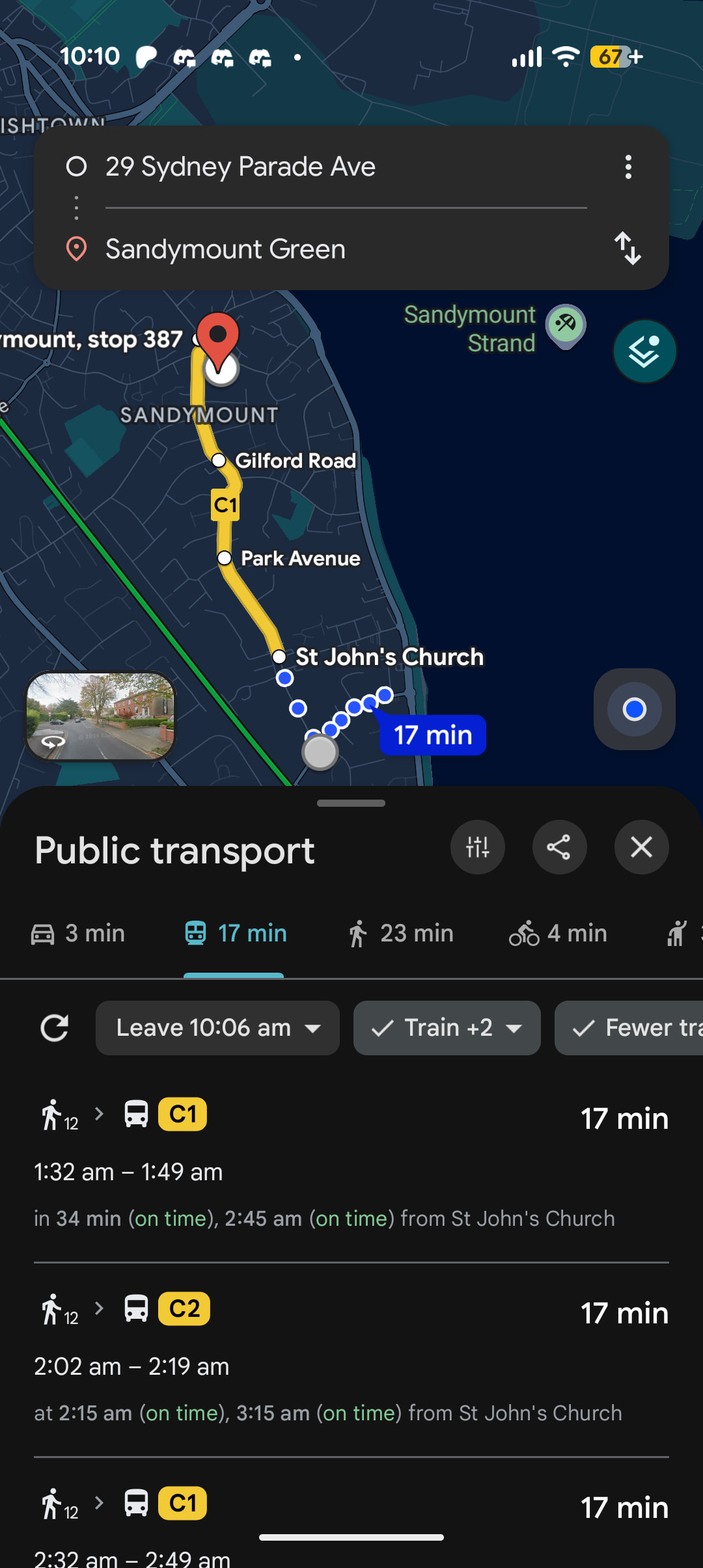
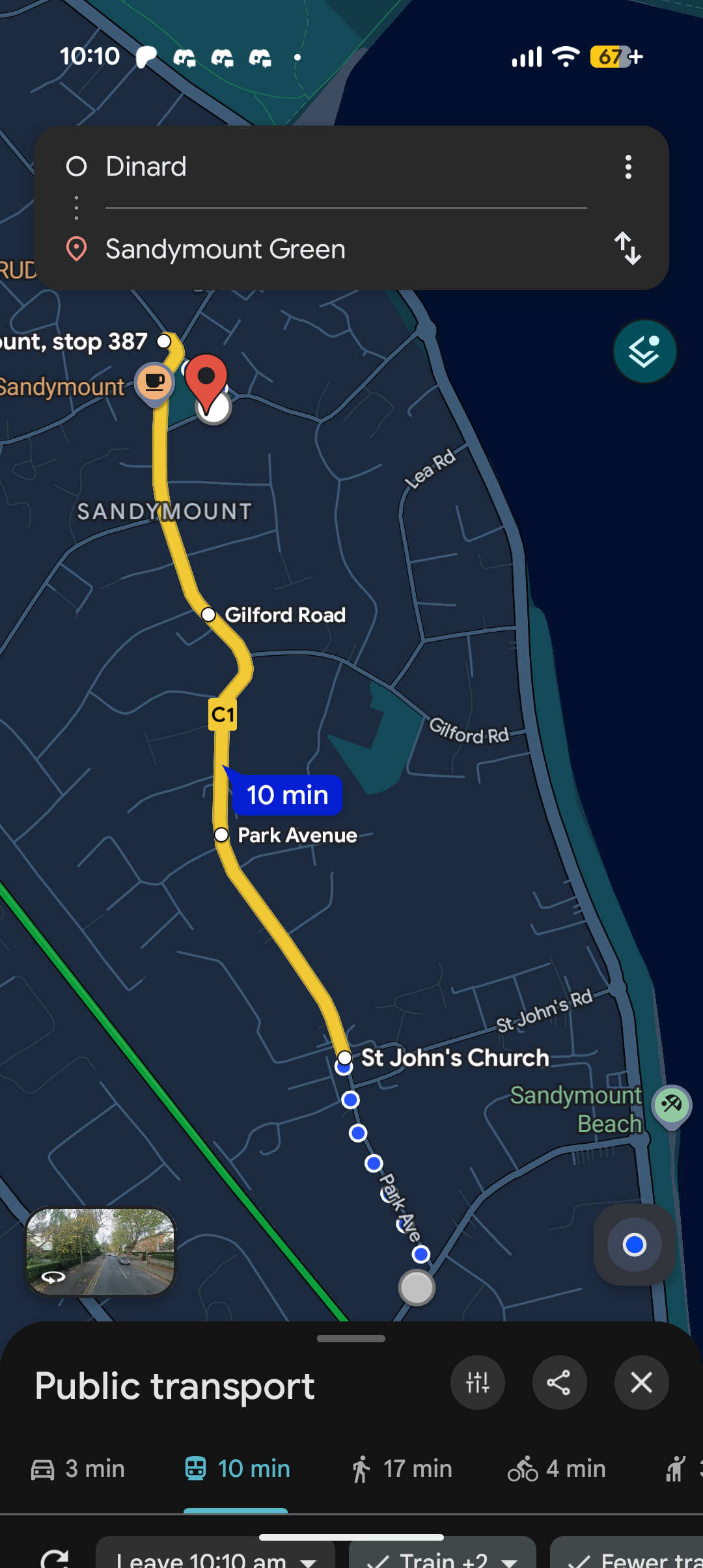
screenshots of google maps


So yeah. Solution is to start on the other side of the road. The situation looks like when Google maps directs you to a pedestrian crossing or lights or whatever, and at that point maybe it’s worth going the ‘long’ way

Another thing that stuck out to me in the tiktok was how casual she was with the walking/timing maths. Google estimates 17 min for me, and I’m a fast walker. She could have also made herself faster with the music. But she uses the time taken as like proof (and it sounds a lot better as 13 min vs 23 instead of 17 min vs 23 or 13 vs 17).

I initially thought I’d replicated the maps issue (which, I mean I did, but implicit in the replication is ‘confirming’ the theory). The thing that got me to reconsider was that I noticed there were bus stops along park ave, and wondered what the public transport tab for maps showed. That’s when I saw the little walk-5-min-to-cross-the-road detour.

edit: there are some comments that point this out but super low likes.

also, this means she didn’t check her phone after crossing the road, or withheld evidence to make the tiktok better. Was she not at all curious what happened when she was on park ave? Did she see it change and dismiss it? (A problem made worse because she started from a junction)

Theo dropping some allegations about google in the first few min.

1 Like