1 Like
1 Like
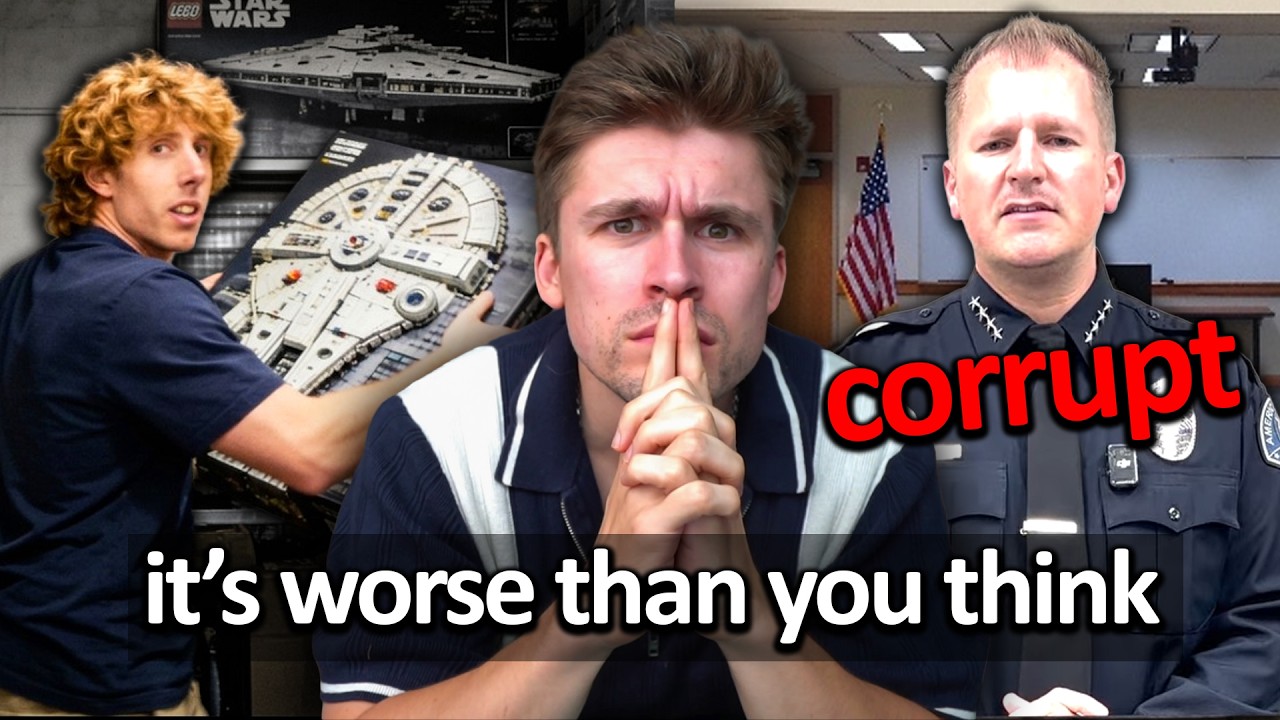
Started watching/listening to this saga. Here’s the original first video of this saga without a reactor: https://www.youtube.com/watch?v=wscQpkcwgNU&t=4924s.
Bricks and minifigs, a lego reselling(?) company, is trying to steal 200k worth of legos from one of their “customers” (are people who use a service like this customers? I think so). There’s a lot of police and legal corruption. I don’t know too many details so far, I just know it’s become a big thing.
One comment Ludwig made that I thought was good was that he pointed out that its better to go to the court of public opinion for a lot of things than the actual courts. the only reason things have somewhat been going good for the original family is because this has blown up. in fact, someone at bricks and minifigs said that the lawyer fees it would cost to fight and get back his legos wouldn’t make it worth it (which is why he reached out to a YouTuber to help).
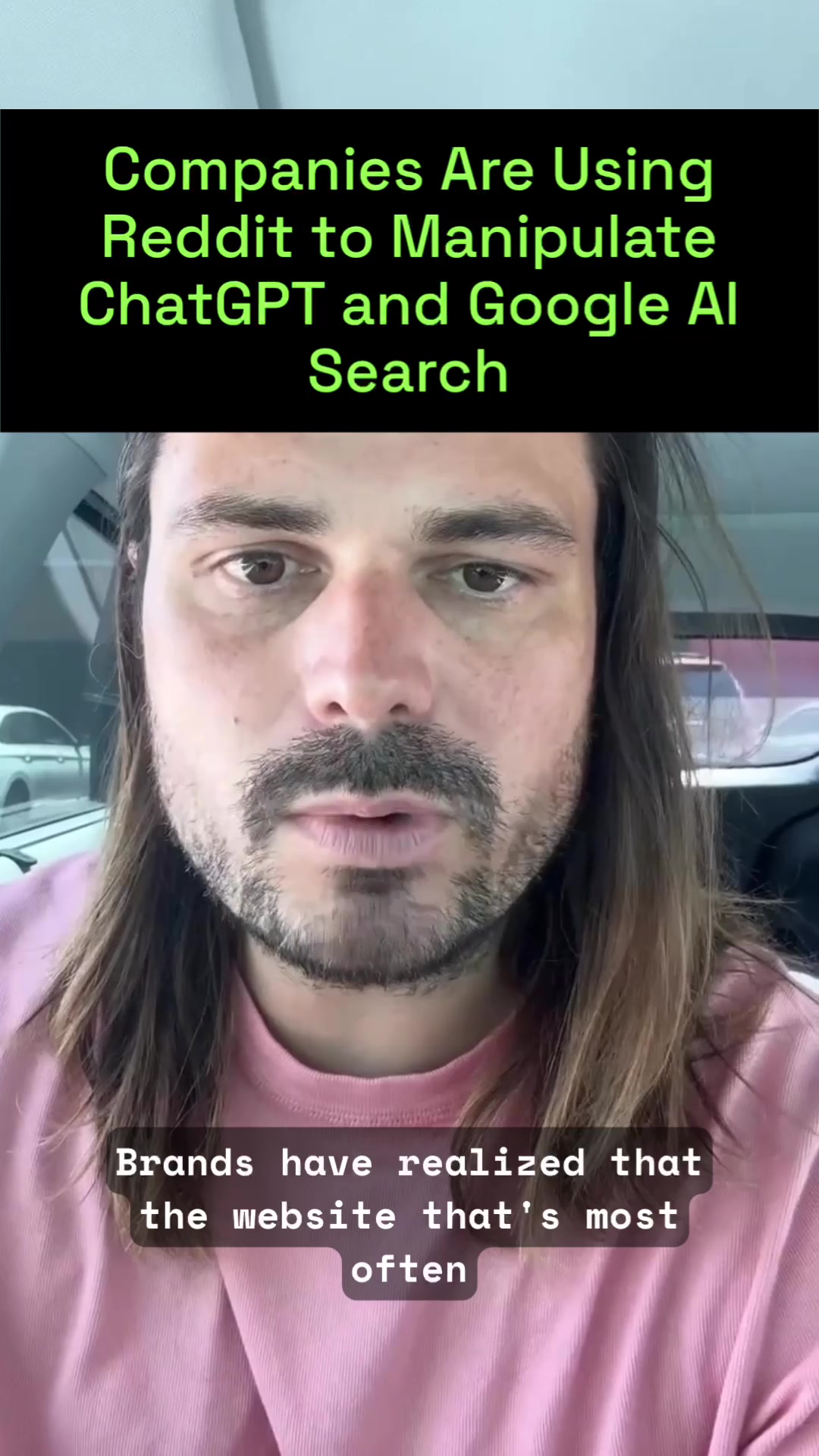
Note that this is a type of fraud.
1 Like
In true capitalism would this be easy or hard to prove in court as fraud? It seems to me it shouldn’t be too difficult.
They can post from VPNs but if they’re linking their own websites to promote themselves then you can find them…
I guess the harder part is arguing the posts are low enough quality (or actually false) to count as spam or fraud. It might be easier to just sue them for terms of service (contract) violation since you can put some more specific rules there which would be easier to prove. I don’t think this should be very hard in a good legal system for blatant cases like are happening currently.
The lawsuits could come from sites like Reddit, from AI companies, or a class action lawsuit from consumers. Today it’d be reasonable for the government to sue them too, but in real capitalism maybe not.
For many years, Google hasn’t seemed to vigorously try to stop SEO BS or save the quality of its search results or the internet, and I haven’t heard of any big lawsuits by Google about it. I don’t know if Reddit cares either; it might just be mods for individual subreddits that care.
With all the evidence you’ve been posting I’ve been wondering why fraud isn’t punished more currently. Why aren’t current fraud laws enforced? Shouldn’t leftists want to punish big companies at least? Wouldn’t there be politicians and lawyers who could make careers out of punishing fraud? Is compensation too low? Are politicians more interested in lobbying for their own interests and trade favors where some of it is turning a blind eye to fraud? If there already are laws why should we expect saying “real capitalism wouldn’t allow it” to actually fix it? Could there be incentives and structural reasons that are inherent to real capitalism that cause fraud to go unpunished?
Do you expect better competition in (real) capitalism would make the top companies care more about stuff like this?
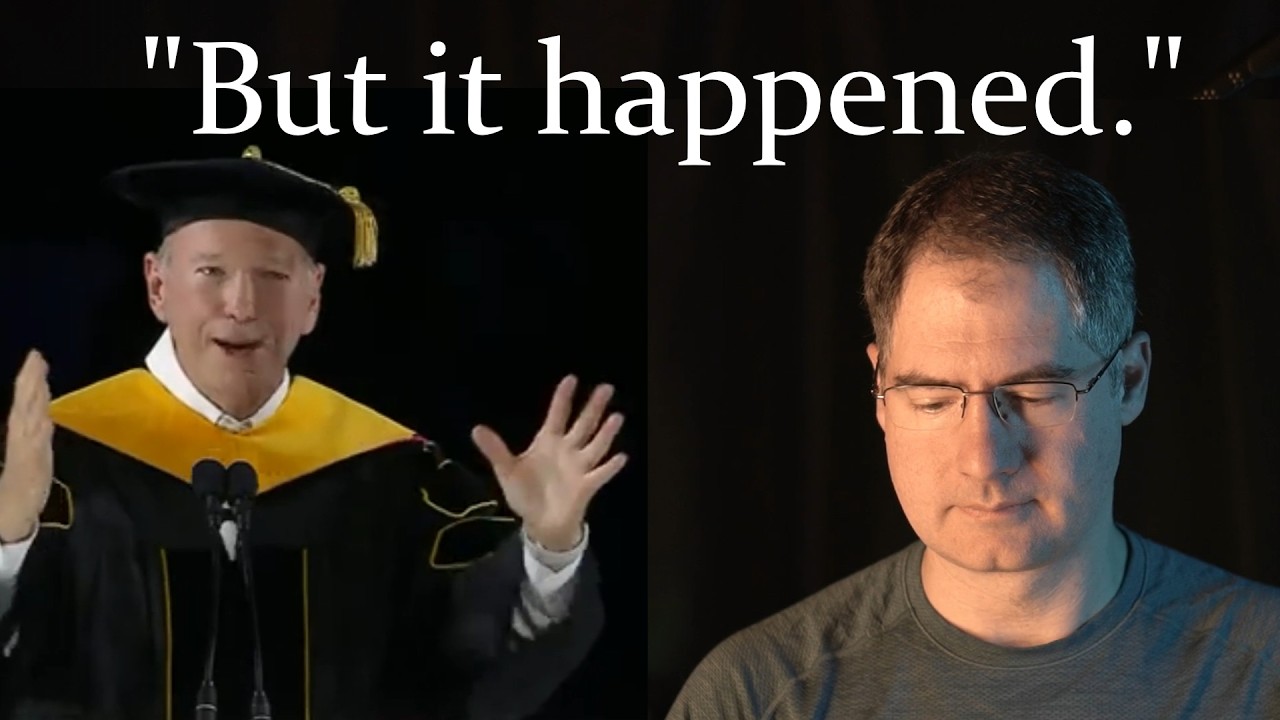
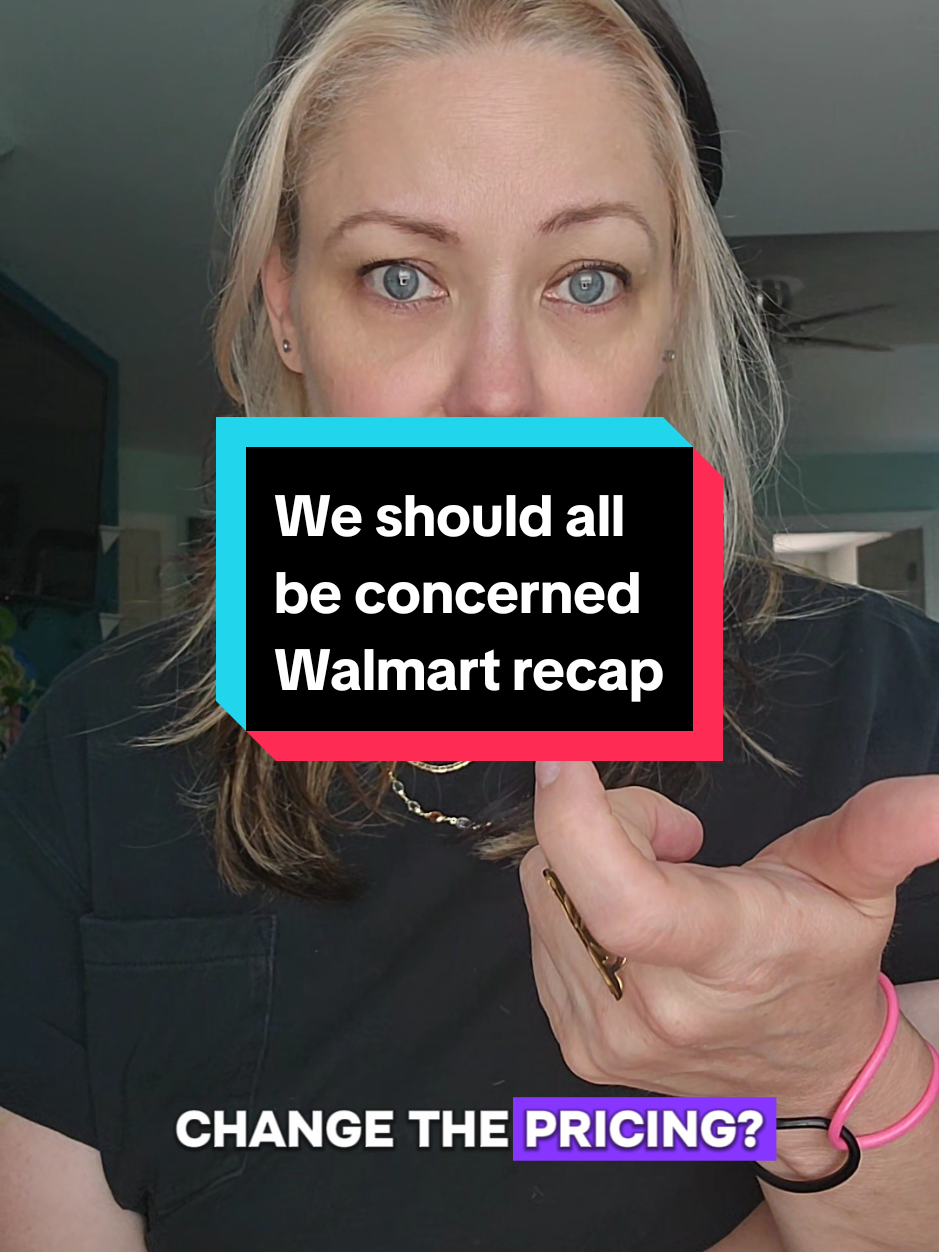
CEOs rationalize away their responsibility for what they built and the decisions they made:
The same tool that is used for positive X is used for negative Y is the mental framework he used and what he said in the speech. So to him it’s as if he only presided over the construction of the tool part. He only was responsible for Google the search engine. He wasn’t responsible for Google the advertising company, Google the data collection company, Google the behavioral modification, AB testing, whatever you want to call all of that dark pattern layer. Somehow he just built a search engine and wow, look at all the crazy terrible things that started to happen downwind of that.
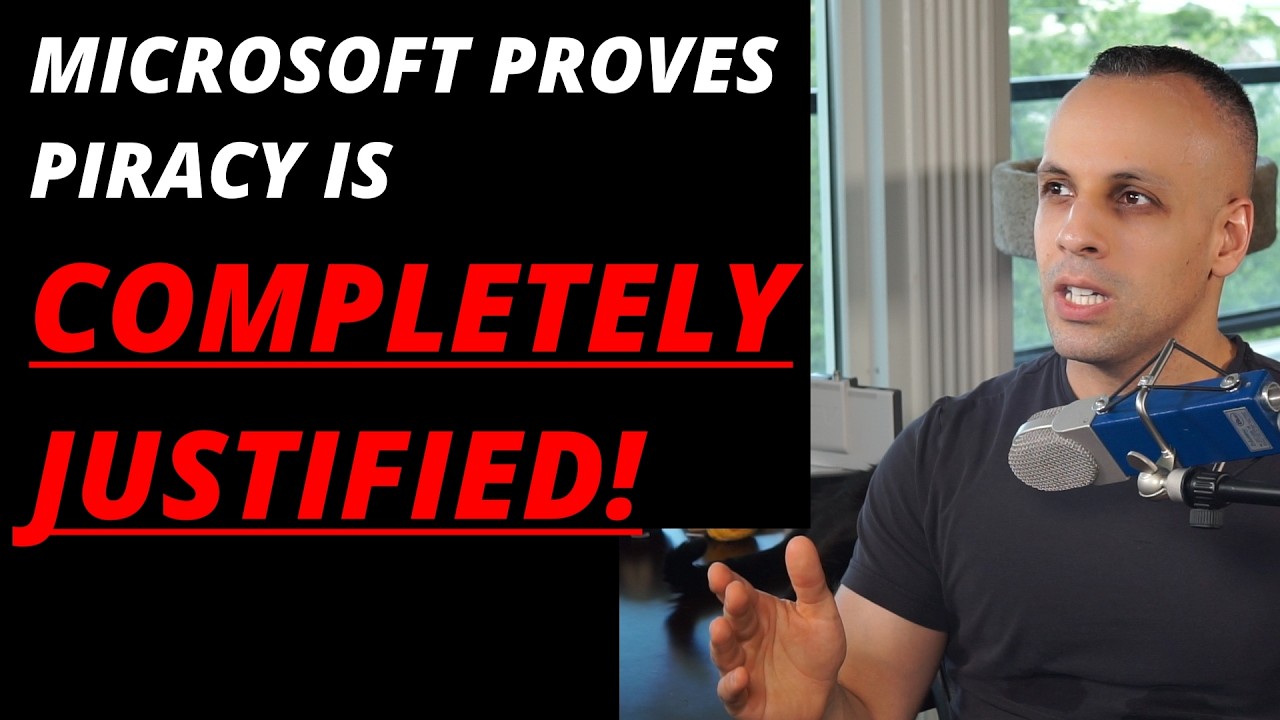
I liked this comment on AI getting booed at commencement speeches:
Why doesn’t he see that the thing that people are afraid of with artificial intelligence is not just technology in the abstract. It’s that they saw what Eric Schmidt and his cohort of Silicon Valley decision makers did the last time they were given a new technology to guide.
1 Like
Why would low quality make it fraud? Wouldn’t that just make it poor quality advertising? I thought the fraud would be false information and posing as real people, not being transparent that it’s advertising.
Maybe? I think in concept yeah, sure. I’d assume the average democrat/leftist is more unfavorable to corporations, but only to a point I think. I think a big thing though that I hear about leftists complain about is corporations influence into politics. afaik I think a lot of them would claim that a lot of their leftist/democratic politicians have been bought out by corporations. Which may be true. idk.
Just some random thoughts on the matter:
I think its not a priority. You can see this kind of thing with the war on drugs (though I don’t know how that kind of thing is going nowadays). I think it was/is pretty common to hear stories about how you can tell a cop about something being stolen and they don’t really put effort into getting your stuff back. Tell them about a drug deal and its a whole different thing. Our justice system isn’t prioritizing fraud for the most part (afaik especially under Trump). Its a whatever side thing.
Also I think one reason its kinda not a priority is that fraud is culturally acceptable. one of the defenses i’ve seen lawyers use in certain contexts for things that, to me, seem fraudulent is that “thats how things have always been done”. for example (my own made up example): idk lets say a supplement company says their supplement makes you as strong as hercules or “better” (for the example) like Brian Shaw (one of the worlds strongest men). I think the average consumer is used to bad advertising like this that it feels unfair to try someone in the legal system for it. “Everyone else, including my competitors, are doing this, why am I getting into trouble for it?”
Also related to the above point, I think people see fraud as part of business.
Politicians, maybe? But then how much can corporations shill out to them to keep allowing the fraud? After all, their pay afaik is quite stable unless you are lobbying and bribing and all that. They can make an impactful political career, sure. They can make the world better, but they aren’t getting more money/personal benefits for doing that.
Lawyers? Sure and I assume some are, but also you can make a career in defending big companies against fraud and that job is probably more secure. Plaintiff attorneys usually have to win to get their cut (though this varies). Defense attorneys for corporations are usually salaried and can just “chill” and not worry about getting paid. For a lawyer that guarantee might be super nice versus trying to be good or something. Plus its not like all the defense work is awful shit (though I think most of it probably is) .
I think some of my above answers kinda touch on this, but I think one of the points of Elliots essay is just simply: Capitalism requires policing these companies. Or, answering your question, ,more directly: real capitalism would actually enforce these laws. From Elliots essay:
A way big companies are bad is they break laws all the time. Laws are more poorly enforced than I formerly realized. This applies to laws that would exist in a fully laissez faire capitalist country.
One thought I’ve had (I think inspired by Elliot): I think culture is more important than having good laws on the book. Part of the reason, I think at least, why companies get away with so much fraud is because people don’t care about it. The laws are there, but we don’t care. I think that kind of thing kinda related to Miss Rands point about politics being downstream. Focusing on philosophy and stuff is better.
Hmm. Idk if I’m reading it correctly but I read it closer to this:
“low enough quality” goes along with “to count as spam” and “(or actually false)” to go with “or fraud”.
I did consider that reading. It makes conceptually sense but why put it in parenthesis then?
Some left wing people like Lina Khan do want to police big companies more. They often use antitrust law for it instead of focusing on approaches that fit classical liberal principles better because they aren’t classical liberals. I think they’d get a lot of opposition from the right regardless (antitrust or anti-fraud would both get similar pushback from the people who want to side with the corporations).
It varies by industry too. Part of the left used to want to police the food companies more, but now a lot of the left is saying how mainstream food and medicine is fine and it’s part of the right which wants to make them stop putting so many food dyes and other additives into our food. Similarly I think anti-vax used to be more left wing and is now more right wing.
An important part of fixing things is somehow making the courts more effective. Sure we have laws but you also need to be able to sue for a reasonable cost in a reasonable amount of time with a high chance to win (when those laws are clearly broken).
A problem though is we also have a lot of bad laws, so if the courts suddenly started enforcing all laws that could do a lot of harm… So we might need to simultaneously make courts more universally effective while also repealing a bunch of laws. Or we could incrementally start having courts enforce certain categories of laws more but not other laws. It’s kinda messy.
Spam is partly a quality issue. Fraud is partly an intent issue – did you know what you said is false? Was is an honest mistake or a dishonest mistake? Did you try to get things right? How much sloppiness, carelessness, overconfidence, wild guessing, bias, etc is acceptable? How misleading was it to post with a bot that never claimed “this isn’t a bot”? So there are issues involve beyond just facts/falseness.
Hyperbole like that isn’t fraud.
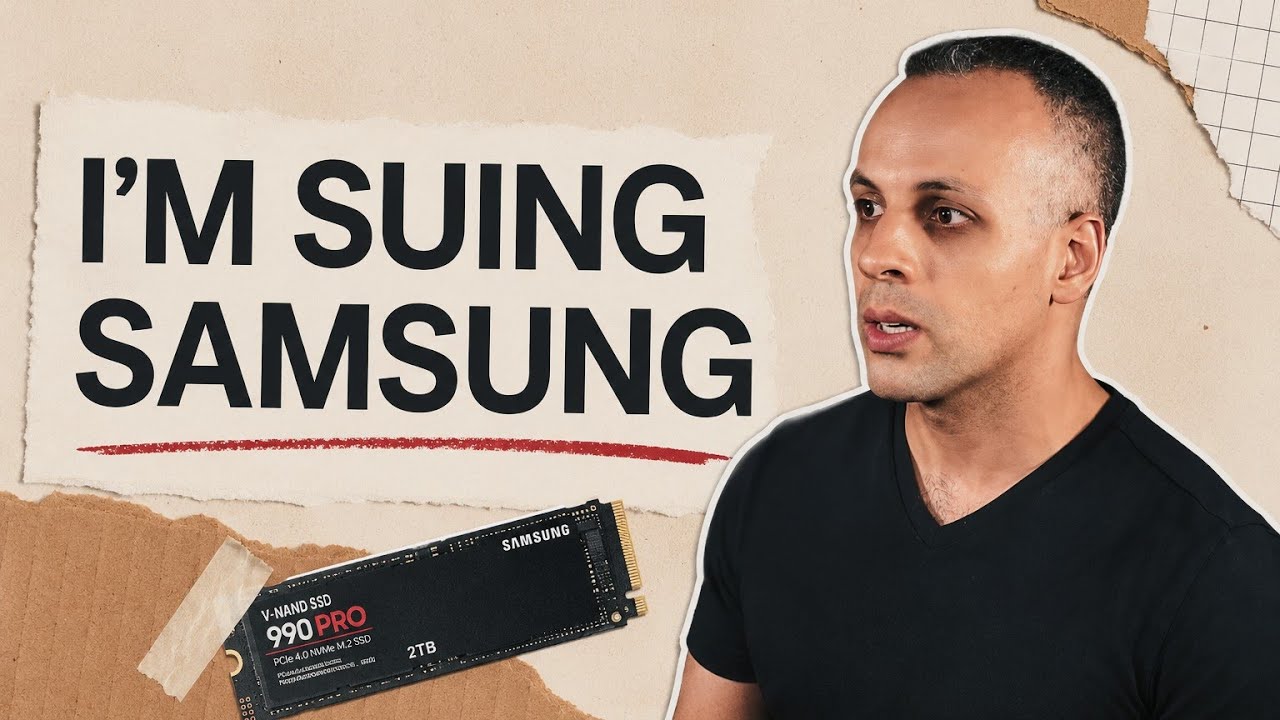
Suing Samsung over refusing to honor an SSD warranty, when he could have just bought a new one for $950, does not make economic sense. He’s just doing it to fight injustice. But not many people pay thousands of dollars to lawyers to fight with rights-violating companies like this.
1 Like
They Looked Like They Were Getting Rich on Polymarket—but None of It Was Real is a Wall Street Journal article about how Polymarket make a fake version of their own website then paid influencers to place fake bets on the fake website, pretend to win money, and post it on social media. Also this is funny considering the bets were made up after the fact so making up a past winning bet is trivial:
These 118 videos depicted creators winning almost $900,000.
In reality, those bets would have lost more than $166,000.
If you don’t have WSJ access, here’s a TikTok about it: TikTok - Make Your Day
In other recent Polymarket news: Strategy’s Bitcoin Sale Sparks Polymarket Dispute
People bet on whether a company sold bitcoin during a time period. They did. They publicly said they did the day after the time period ended. Polymarket then changed the wording to say they had to disclose the sale within the time period and resolved the bet as the company not selling bitcoin. In aggregate, people lost tens of millions of dollars.
What does Polymarket do besides fraud ads that aren’t disclosed as ads and fraud about who wins bets? Mostly sports betting, except they claim they aren’t a sports betting site and don’t follow the laws about sports betting. So their competitive advantage over sports betting sites is adding some extra betting categories that are much less popular and then using that as an excuse to violate sports betting laws.
Disclaimer: this is merely my opinion based on rumors and allegations.
Amazon owns Twitch which seems to think false chat logs make good marketing emails:

This is what is commonly called “photoshopped” (though I think it’s actually made with html in this case) and there’s no disclosure that it’s not real. There’s no fine print. People weren’t actually talking about me by name like that. Twitch/Amazon is just creating chatlogs that never happened for marketing. Fraud IMO.
Hmm. Do you think someone would see that as real? Do you think that’s what Twitches goal here was?
Idk. Maybe cause I’m more aware of these things and I don’t chat much, I would assume that is just some BS marketing thing or whatever even without a disclaimer. I think Twitch should’ve still put a disclaimer, but I feel like they didn’t do it out of laziness or whatever. Not because they were tricking to trick people. Though I guess its still fraud even if they are lazy. hmm.
What I’m hearing is that you’re on alert for fraud because it’s widespread. Your distrust means you’re fooled less. I don’t think that makes it non-fraud.