Actually, I’m not sure that’s the right way to think about it. The “Shrink it and Pink it” thing (and car crash test dummy example) makes me think it’s not that women’s bodies are viewed as an abnormality so much as they’re largely just ignored.
~yeah, I didn’t watch it fully but they reminded me of an old friend group.
one time a girl joined our game and they started saying mean things just for being a girl. not even being just regularly toxic because she was bad. she didn’t even get a chance to play (like the girl in the video) before they just started being nasty and mean.
its odd though, over time I’ve noticed two reactions to girls in my games. Simp to the girl and try to hit on her or just crash out on them. They got unwanted attention in two different ways. Are these conflicting? Idk
Good question. I assume sometimes guys crash out if the woman they’re simping on doesn’t reciprocate. (Which can make it scary for women to reject guys.)
Now I think of it, I wonder if maybe some guys are “nasty and mean” because they’re attracted to a woman? Like perhaps they’re insecure and assume the woman doesn’t want them so they sort of pre-emptively punish her by being nasty and mean? Or a slightly related idea is sour grapes like oh I don’t even like her anyway.
(This is a totally half-baked guess that’s straight off the top of my head. I haven’t reflected on it. I’m also obviously not an expert on psychology.)
Now I remember stories of women rejecting a guy and then the guy will lash out and call her a slut.
Mmm. ~maybe. I’ve heard complains(?) about how women are told that if a guy is mean to them (usually this justification is used when they’re younger afaik) that means they like them. it could go the other way (guys being told their mean behavior is justified in communicating attraction) though I think in the case of the guy in the video for example i think he’s just gotten comfortable being mean and nasty.
I’ve never heard the phrase “sour grapes” (if I did I just ignored it). I looked it up. Neat.
Related to both feminism and parenting.
I just recently got told by a friend that lobbies would either want to marry her or be nasty towards her.
1 Like
I often think about the fact that we give an old white dude credit for mothers’ hard work, and wonder if Santa is anti-feminist.
It hadn’t occurred to me before that Santa could potentially be anti-feminist because attributing stuff to Santa erases some of the mother’s contributions. Since I assume the father also helps pay for the gifts in most cases, it also erases his contribution so I’m not sure that that part is specifically anti-women. (Though I suppose women usually do the work of shopping, wrapping, decorating, etc.) Even Santa’s gender seems coincidental (he’s a guy because of the historical St Nick), plus there’s female equivalents like the Tooth Fairy and even non-human equivalents like the Easter Bunny. (Though maybe in a more feminist world some female equivalent of St Nick would’ve been recognized.)
Look through some of the comments.
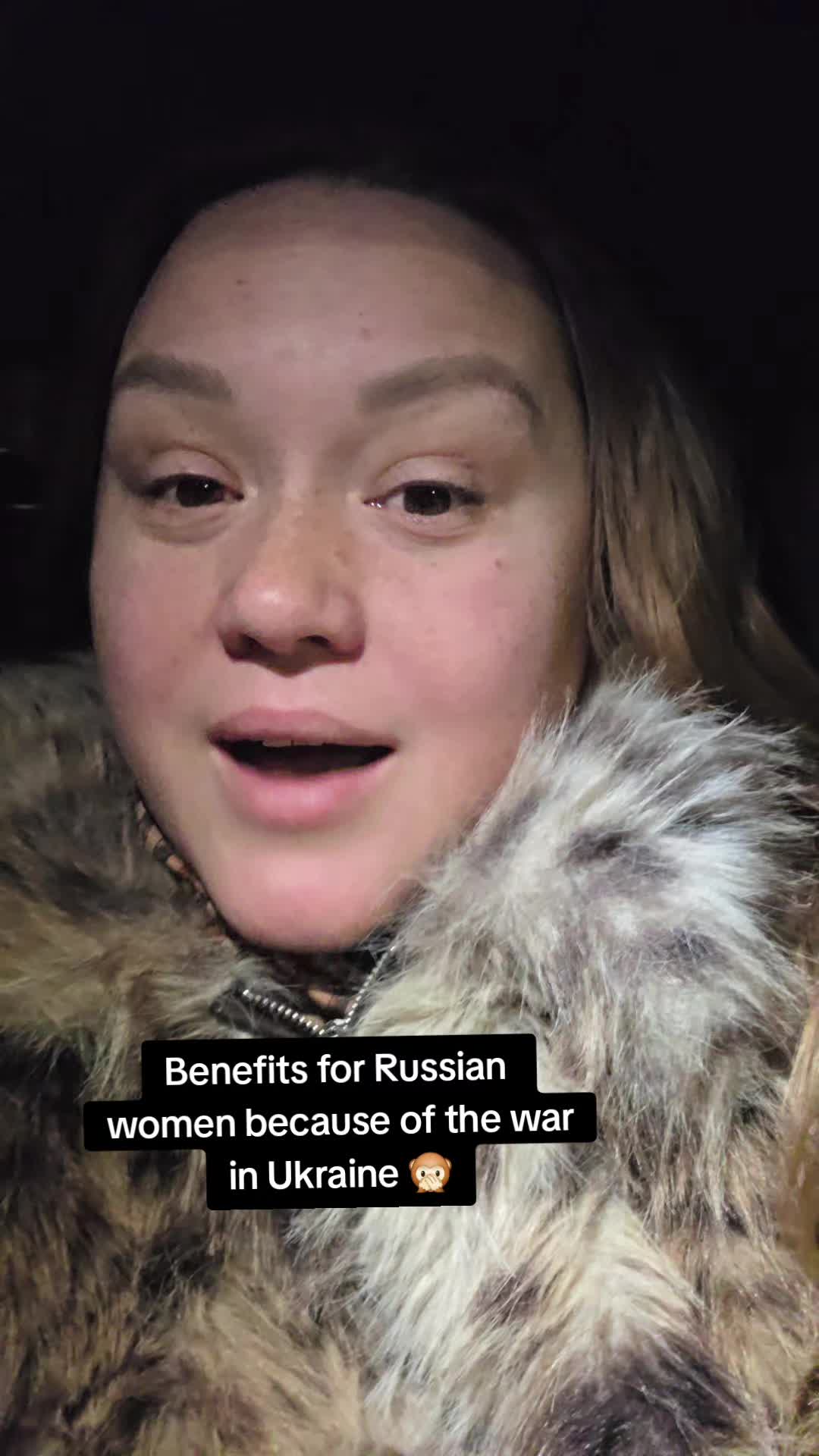
My first thought was that maybe he was being petulant and trying to give her the cold shoulder to punish her. (Though that’s a negative interpretation, he could just be respecting her wishes. Idk. I guess I assumed that because of the context of this forum topic and also because the TikTok makes him sound non-communicative.)
I was surprised that the vast majority of the comments were… idk how to describe it… biased against the woman? Like suggesting she should just ~always say yes regardless of how she feels and that the guy would be right to divorce her for not ~always saying yes to sex.
One male commenter said: "we get tired”. But so do women? (In the sense of being sleepy.) A male commenter replied to that comment saying: “They need to bear in mind that we’re also humans”. But he doesn’t seem to be bearing that in mind vis-à-vis women.
I found that pretty hilarious.
It made me wonder if bounties like that could work in other contexts. But then it occurred to me that it could incentivize the prosecution of innocent people. Which reminded me of the whole civil asset forfeiture issue.
I think bounties are sometimes used to motivate citizens to come forward if they have information about a crime though. But I assume it’d usually be a bad incentive if the police themselves are offered bounties.
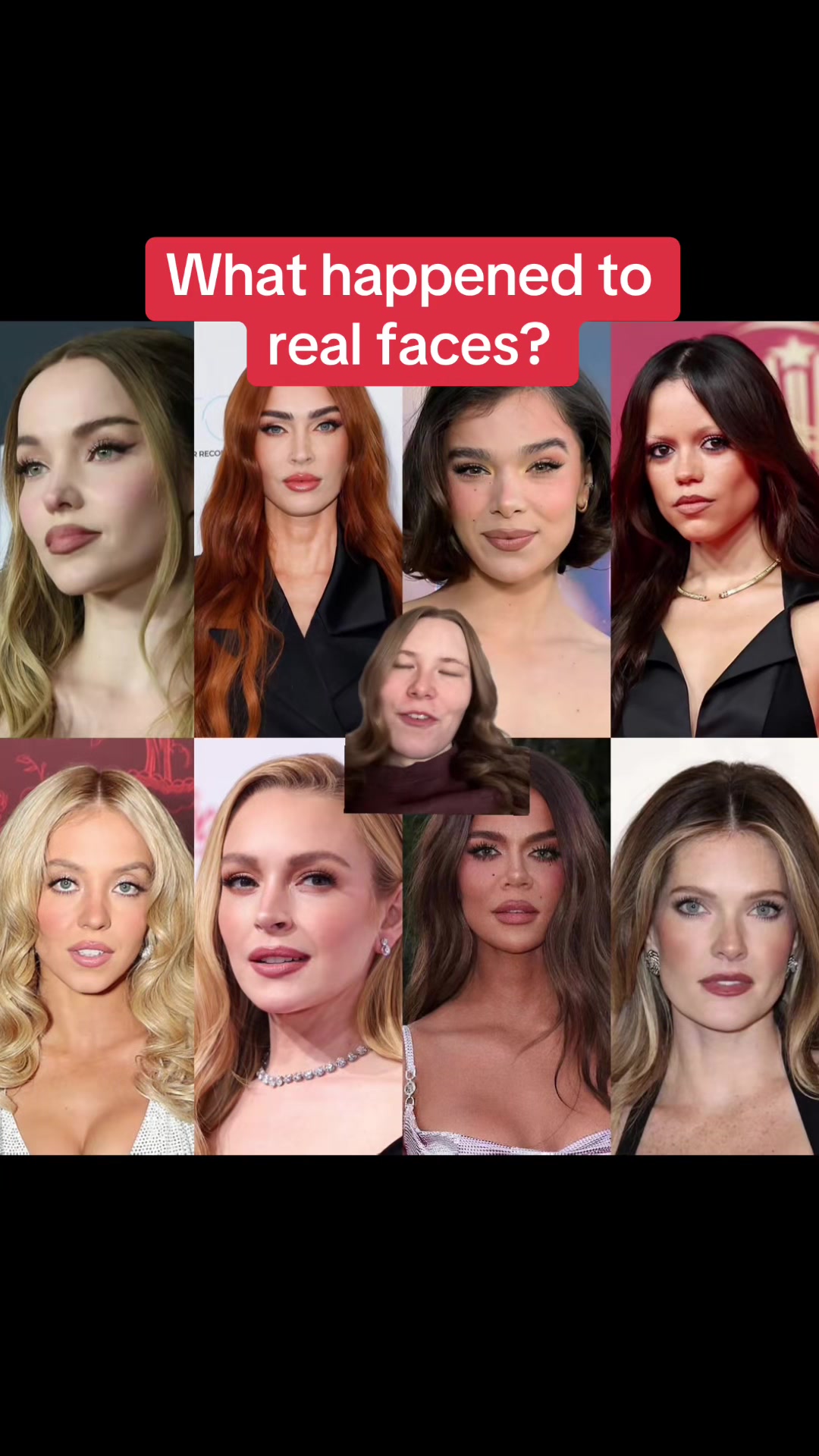
Looking at the photos of the modern actresses, it reminded me of yassification. The modern ones look much more like that (IMO).
I wonder if stuff like Snapchat and FaceApp filters influence people’s ideas about beauty and inspire them seek that look. Also I wonder if social media in general is causing people to have more unrealistic beauty standards. (And not just among women, even among guys. Like I don’t think looksmaxxing was a popular thing among guys before. Or working out at the gym for the sake of an aesthetic physique.)
Also, apparently even young teens and children(!) are increasingly doing meticulous, laborious skincare routines:
there has been a rise in young girls sharing videos of complex skincare routines with moisturisers, toners, acne treatments and anti-ageing products.
… some girls wake up as early as 4.30am to fit in their routines – but pricey, unnecessary and potentially harmful.
Also this study says:
scientists at Northwestern Medicine found girls ages 7 to 18 are using an average of six different products on their faces, with some girls using more than a dozen products. These products tend to be marketed heavily to younger consumers
[…]
Each teen daily skin-care regimen costs an average of $168 (which the authors estimate typically lasts a month depending on the size of the products), with some costing more than $500, the study found.
It’s so sad that girls as young as 7 feel the need to change how they look.
It’s also an indictment of our culture that young people are focused on improving their bodies/faces rather than their souls/minds. It reminds me of this quote from Allan Bloom’s The Closing of the American Mind:
As it now stands, students have powerful images of what a perfect body is [e.g., buff guys on magazine covers, extensive TikTok makeup routines, fashion shows] and pursue it incessantly. But deprived of literary guidance, they no longer have any image of a perfect Soul, and hence do not long to have one. They do not even imagine that there is such a thing.
Which in turn reminds me of Cyrano de Bergerac by Rostand:
I have a different idea of elegance. I don’t dress like a fop, it’s true, but my moral grooming is impeccable. … I may not cut a stylish figure, but I hold my soul erect.
Also Epictetus:
It is a sign of a dull mind to dwell upon the cares of the body, to prolong exercise… all your attention must be given to the mind.
1 Like
Op says(handwritten by me):
My husband no longer insists when I say No to him in bed, He turns around and falls into a Deep sleep. What does that mean? I Need advice
Top comment with most likes:
It means he cares too much about your wellbeing to divorce you but doesn’t give a shit about you anymore. Congrats, you killed the man’s spirit. Well done.
How does the husband care too much about the op’s wellbeing? Like, is he staying so he doesn’t dissapoint her and/or hurt her? Is that a thing? Wellbeing here could mean different things I think, like maybe op’s less happy now and she would be less happy/comfortable/healthy if he did leave for a while at first. Thinking about somebody’s wellbeing sounds hard to do cuz what if one’ partner builds resentment in the op’s situation? They won’t be happy then.
but doesn’t give a shit about you anymore.
If husband doesn’t give a hoot anymore about op then does he that mean he doens’t care about op’s wellbeing anymore? I think the commenter is talking about like sexually or in terms of attraction.
Congrats, you killed the man’s spirit.
Was the man’s/husband’s spirit killed? Is husband not responsible too in a way here? Like, maybe there’s things he’s in control of. What does commentor think?
1 Like
Lol that’s actually great point. I didn’t notice the blatant contradiction in that comment. I made the comment more concise to highlight the blatant contradiction:
he cares too much about your wellbeing … but doesn’t give a shit about you

And yes, I do think it would mean “he doens’t care about op’s wellbeing anymore”.
That’s another great point. I feel like a lot of haters (not just misogynists but antisemites, immigrant-hating nativists, billionaire-hating socialists, etc.) view themselves as helpless victims of the people they hate.
(Although they often also simultaneously view themselves as strong and powerful—like part of a superior Aryan master race or indomitable proletariat or the stronger/superior gender that allegedly built civilization with their rugged masculinity. So they simultaneously view themselves as superior/stronger but also victimized/weak.)
(Though in some cases that can actually be the case. E.g., the men of the mind in Atlas Shrugged are simultaneously superior/stronger and mistreated.)
1 Like
Hey, I just wanted to bring this topic back up since I recently came across a relevant analysis.
Back when you posted this, I did reply with some issues with this claim — such as the fact that at least one major study that started this claim was a poll of lifetime abuse, and so e.g. would include IPV experienced by a lesbian who was previously in a relationship with an abusive man.
I do not think you replied to that so I don’t know if you saw it. But regardless, I thought this was relevant to that topic and might be interesting (either to you, or to anyone who read that discussion and was undecided):
1 Like
Thanks. I’m happy to accept that the IPV same-sex couple stuff I posted is flawed.
Looking back on it, I’m quite disappointed in the quality of all of this data. Recording is sloppy, very few sources include error info (like ± X), lack of age breakdowns, IPV definitions changing, etc.
Even the reddit post is sloppy. Multiple dead links and at least one article behind a paywall (did the post author just read the abstract?).
Also, a commenter pointed out (replying to OP)
Worth noting that the stats cited in your screenshot and the first half of your post are cherry picked by the article and misrepresentative.
ONS (the source the article uses but does not cite or link to) publishes their data for each year and you can look at the stats yourself: https://www.ons.gov.uk/peoplepopulationandcommunity/crimeandjustice/datasets/domesticabuseprevalenceandvictimcharacteristicsappendixtables
The tabloid article you cite that references their data exclusively references the 2024 dataset which is the only year where gay women have a lower rate than hetero women. If you look at the data across all the other years, this number is very clearly an outlier, with lesbian rates usually falling between 8-15% and almost always nearly equal with gay men.
(If you want to look at the linked ons.gov.uk data btw, I found it on table 4 (scroll down) on the latest data at least)
Continuing with that commenter’s post:
In 2019, the lesbian rate was 10.2% compared to 7.3% of hetero women, 3.7% of hetero men, and 5.1% of gay men. (and 12/17 for bi women/men)
In 2025, the lesbian rate was 13.0% compared to 8.4% of hetero women, 5.9% of hetero men, and 15.5% of gay men.
Note: this uses the ‘any domestic abuse’ stats (which includes family) instead of partner stats. Since it includes 16-19 years old, it also includes e.g., a straight dad threatening his gay son or something. So it’s not even directly responding to what reddit OP was saying.
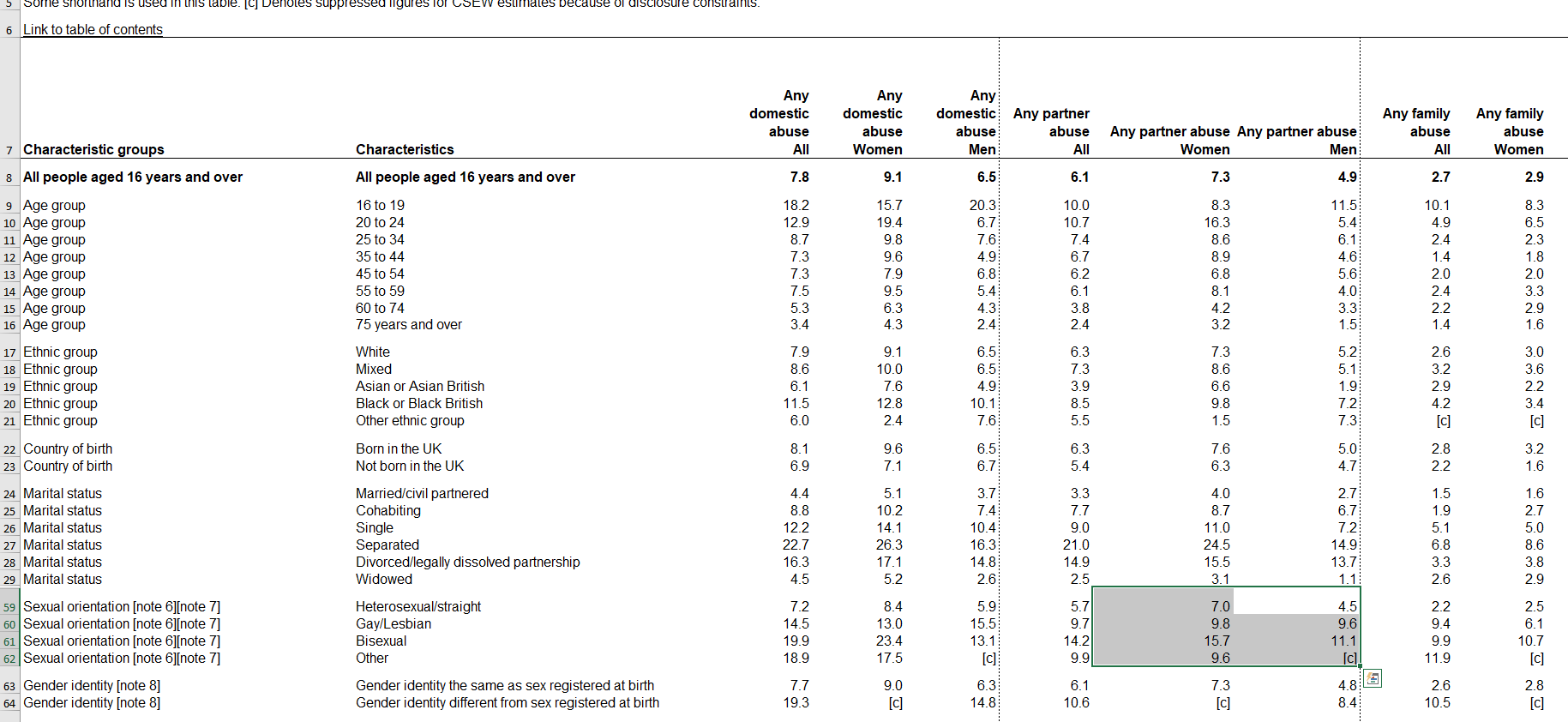
(Note re screenshot: a bunch of less relevant rows are hidden)
continuing reddit comment for completeness:
If you average the rates across multiple years, we see a clear pattern. Hetero men/women are about 40% less than gay men/women which are usually about 60% less than bisexual men/women.
This reinforces the data from the CDC study, and also from the other report you cite later, which asserts that young people have the highest rates. But also we see a very consistent pattern, bisexual people, of all genders, have shockingly higher rates than both gay and hetero populations.
If we take the ONS data across all years, the rates from highest to lowest are: Bi Women → Bi Men → Gay Women → Gay Men → Hetero Women → Hetero Men
I don’t know how the ONS gathers their data, what the impact of under/over reporting is, or any other factors that might impact this data, but we should be clear about what the data actually says.
Anyway, going back to what you originally said (“queer people in general are better at relationships on average”), I now think IPV isn’t a great way to judge that. For one, actually experiencing IPV isn’t the average experience. There’s also all kinds of confounding factors, like if an abuser wanted to find a new victim, someone young kicked out of home for being gay is vulnerable and a potential target.
You and I also might have quite different experiences of what the average non-queer relationship is like (particularly religiosity around where I live is much lower than in the US, so “traditional” relationships here might be a lot less traditional compared to the US).
All-in-all, I think how good people are on average at relationships is mostly cultural/memetic and probably independent of sexual orientation.
Note: I am Anon105, on a different PC and when I entered anon mode it assigned me a new number. I probably did something wrong, not going to worry about it right now. I am still Anon105 when anonymous on my other devices.
Yeah, this was always true, including when you first brought up this topic asserting that lesbians are more abusive.
Unfortunately the reddit post has been deleted now, so I can’t review more of their links in detail. I read through several of them before posting and they didn’t seem glaringly false but I’m not totally surprised to hear there were issues.
Looking at the actual ONS data that commenter linked, yeah, it has all of the same issues I raised when you first brought up this topic. Notably, it contains no data (as far as I can see… am I missing it?) on perpetrators.
If all of the deleted post’s links and the article that they shared ultimately just circle back to this data set, then this probably isn’t anything new or interesting. In which case I guess it doesn’t matter much that they deleted it. My bad for not realizing that was the case.
It’s worth emphasizing that this data doesn’t say that lesbians are more likely to commit IPV, or that lesbian relationships have higher rates of IPV. It has never said that, previously or now. I don’t know of any data that does say that.
This data, and every other set I’ve looked at, only says that people who identify as lesbian or bisexual have higher incidents of experiencing IPV over a specific timeframe (the past 12 months for the data you linked). But they could still have experienced IPV from male partners (since most lesbians and bisexuals have had male partners in the past.)
That is an important distinction that is almost always glossed over by people who want to use the data to claim lesbians are mentally unwell and abusive (as was done recently, when a lesbian was murdered by ICE, which I believe is what prompted the reddit thread).
One note about the quality of the data… it may be sloppy, but it’s also important to recognize that the people doing this data collection were not interested in the same things as you. So in that sense, it isn’t necessarily fair to say it is sloppy because it lacks details that you want it to have. (It might still be sloppy for other reasons.)
When this topic came up previously, I said:
This makes sense in the context of the studies, since most of these studies were doing something more like gathering life data and less like trying to prove that queer people are dysfunctional.
This is an important point so I want to reiterate it.
This data is collected and framed entirely around the victims. My guess would be the reason is something like determining how to allocate resources, what communities to reach out to, and other similar questions that largely revolve around strategies to best help victims.
The data isn’t being collected to be used as a political weapon, and it’s not being collected by police investigating abuse, so there’s no reason it would focus on perpetrators.
When you decouple it from political weaponization and assumptions about perpetrators, the data isn’t very surprising IMO. That reddit poster you quoted called it “shocking” but I disagree.
LGBTQ people have higher rates of experiencing abuse. They have higher rates of being abused by their family, by their friends, etc. Being queer is not always easy. Heteronormative society isn’t very nice to queer people.
And perhaps when heteronormative society isn’t nice to people, it increases their chance of identifying as LGBTQ. That can be a controversial claim in LGBTQ spaces (e.g. the idea that some women might become lesbian or bisexual because they experienced abuse from men and are afraid of men and want to change their relationship options) because it implies sexuality is not entirely innate, but I don’t mind speculating about that possibility.
I agree.
That is one possibility. I wouldn’t claim that there are zero LGBTQ abusers.
Although… note that a girl who thought she was straight, tried to break up with her boyfriend because she realized she was a lesbian, was assaulted by the boyfriend when she broke up with him, then was kicked out of her home for being gay and entered into a non-abusive lesbian relationship would present as the exact same person in these studies. e.g. “Lesbian who experienced IPV within the last 12 months.”
And that is a pretty common story for queer people.
Maybe. I grew up in a very liberal part of the US. Deciding I was queer was pretty easy and low-stakes for me when I was young. As an adult I decided to join one of the only queer subtypes that was still considered weird and bad, but even that wasn’t too difficult for me personally.
I used to be skeptical of the idea that things were still really bad for queer people in much of the US. I naively thought that was overblown. I now think I was wrong and things are still quite bad. I am a bit skeptical of your claim for a similar reason: I think you may just be blind to it, or naively dismissive. But you also might be right, I don’t know the specifics of what it’s like where you live.
re anonymous mode: if you change into anon mode more than 7 days after the last post on that anon account, the forum software will create a new account. That’s why I made this post: Forum Formatting Tests - #3 by anonymous45 (because I was still on this anon account on one device but not on others)
I still had a tab open luckily. reddit thread: